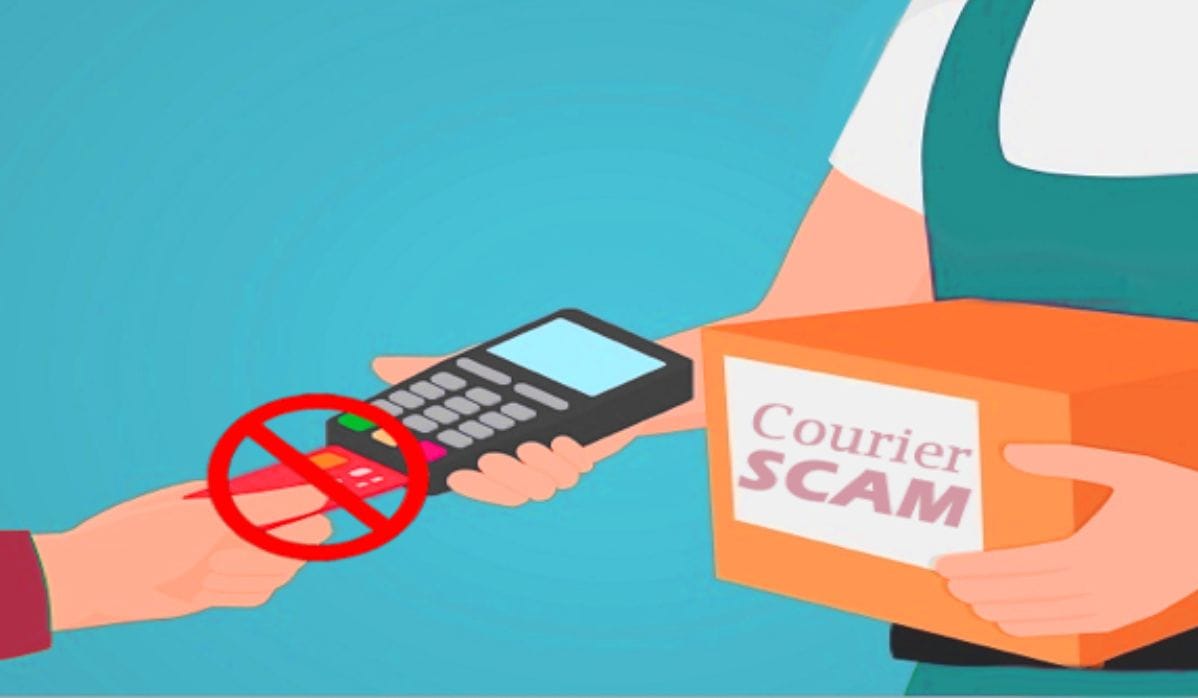
Parcel fraud, often referred to as package delivery scams or shipping scams, is a type of fraud where scammers attempt to steal your personal information, financial details, or money by pretending to be a legitimate parcel delivery service (like FedEx, UPS, Royal Mail, Ekart, Delhivery etc.).
These scams typically exploit the fact that many people shop online and are expecting deliveries, making them vulnerable to urgent or unexpected messages about a package.
How Parcel Fraud Scams Work?
Scammers use various tactics, often starting with unsolicited communication via text message (SMS), email, or even phone calls.
Phishing Scams
- The Message: You receive an unexpected text or email claiming there is an issue with a delivery. Common excuses include:
- You owe a small fee, customs charge, or tariff for the package to be delivered.
- The package is delayed or was missed because you were out.
- The address is incorrect and needs to be updated.
- The Trap: The message includes a suspicious link that pressures you to click immediately. This link leads to a fake website designed to look exactly like the official courier company’s page.
- The Goal: To trick you into entering sensitive information such as your:
- Credit/debit card details (to pay the supposed fee).
- Personal information (name, address, or login credentials).
- Clicking the link may also download malware onto your device to steal your information later.
Fake Customs/Illegal Items Scams
- The Message: Scammers pose as customs officials or law enforcement. They then call or email you claiming that Customs officials have intercepted a package in your name containing illegal items.
- The Trap: They use fear and urgency to pressure you into paying a large “fine” or “investigation fee” immediately to avoid legal consequences or arrest.
OTP (One-Time Password) Scams
- The Tactic: A scammer disguised as a delivery executive, arrives at your door with a package. He asks you for a One-Time Password (OTP) which was sent to your phone. He claim it is required to confirm the delivery.
- The Goal: The OTP is actually for an unauthorized transaction or to gain access to one of your online accounts, which they then use to steal money or reroute packages.
Red Flags of Parcel Scam or Fraud
To protect yourself, be wary of any delivery message that includes these warning signs:
- Urgency: The message pressures you to act immediately, threatening the return or confiscation of the parcel if you don’t.
- Unexpected Payment: An unexpected request for a fee (even a very small one) to reschedule, clear customs, or complete delivery. Legitimate carriers rarely ask for payment this way.

- Suspicious Links: The text or email includes a link you did not request. The scammer slightly misspells the link’s address or makes it different from the official company website (e.g., fedX.com instead of fedex.com).
- Poor Quality: The message contains spelling or grammatical errors, or uses generic greetings like “Dear Customer.”
- Requests for Sensitive Data: Asking for detailed personal information, account passwords, or OTPs via text, email, or an unexpected phone call.
If you suspect a message is a scam, do not click any links or provide any information. Instead, go directly to the official website of the courier service or retailer. Then use the tracking number they originally provided to check the status of your package.