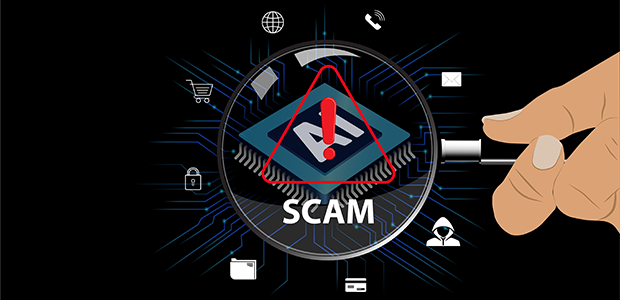
An AI Scam is a modern, high-tech version of traditional fraud that uses Artificial Intelligence to make deceptions feel incredibly real. Unlike older scams that relied on poorly written emails or obvious “robotic” voices, AI scams use Generative AI to mimic the specific faces, voices, and writing styles of people you actually know and trust.
Most Common AI Scams
AI Voice Cloning Scam
Scammers only need about 3 seconds of audio easily pulled from a TikTok, Instagram, or a LinkedIn video to clone someone’s voice. In this scam, you get a call from a loved one claiming they’ve been in an accident or arrested and need money immediately. The AI captures their unique tone, accent, and even emotional “gasps” or crying, making it nearly impossible to detect by ear.
Deepfake Video Calls
Using real-time “face-swapping” technology, scammers can appear as a friend, boss, or celebrity during a live video call. In this Scam, a finance employee might receive a video call from their “CEO” (who is actually a deepfake) instructing them to authorize a multi-million dollar wire transfer.
In one famous case, a clerk in Hong Kong was tricked into sending $25 million after a video call with several “senior executives” who were all AI-generated.

Hyper-Personalized Phishing
AI can scrape your social media data to write emails or texts that are perfectly tailored to your life. In this Scam, instead of a generic “Dear Customer” email, you get a message about a specific recent purchase or a local event you attended, written in a professional and error-free tone.
AI-Powered Romance & “Pig Butchering”
Scammers use AI chatbots to hold thousands of deep, emotional conversations simultaneously. In this Scam, they build trust over weeks using AI-generated photos and perfect scripts, eventually “fattening you up” to invest in a fake cryptocurrency platform.
How to Spot an AI Scam?
- Unnatural Blinking: In deepfake videos, the person may not blink often, or their eyes may look “jittery“.
- Strange Audio Gaps: Listen for a slight “digital lag” or a lack of natural breathing sounds between sentences.
- Mismatched Lip-Sync: The person’s mouth movements might be slightly out of sync with the words you hear.
- The “Code Word” Test: If you ask a cloned voice a personal question (e.g., “What’s our dog’s middle name?”), the AI will fail.

How to Protect Yourself?
- Establish a Family “Safe Word”: Pick a secret word that only your family knows. If someone calls in a “crisis,” ask for the safe word.
- Don’t Trust Caller ID: Scammers can “spoof” numbers to make it look like a friend or your bank is calling.
- Hang Up and Call Back: If you get an urgent request, hang up and call that person back on their saved, trusted number (do not just redial the incoming number).
- Limit Public Audio: If possible, keep your social media profiles private to prevent scammers from scraping your voice or face for cloning.