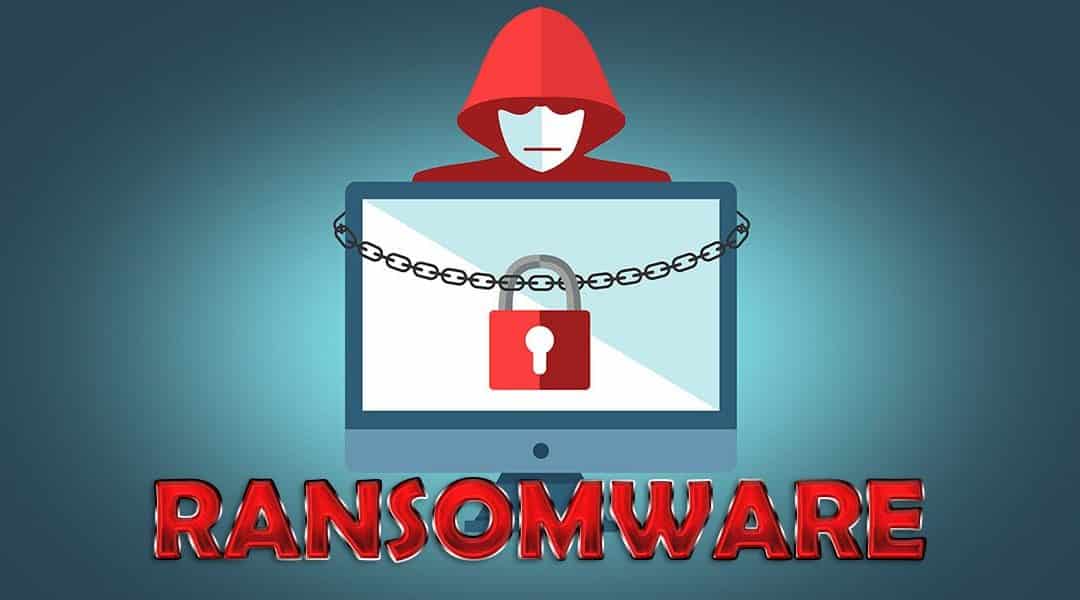
Ransomware is a type of malicious software (malware) that prevents you from accessing your computer files, systems, or network and then demands a ransom payment for their return.
It is one of the most damaging and disruptive forms of cyber attack today, often leading to significant financial losses and operational downtime for both individuals and organizations.
How Does Ransomware Work?
The attack typically follows a few distinct stages:
- Infection/Access: The ransomware gains access to your device or network, often through:
- Phishing Emails: Tricking a user into opening a malicious attachment or clicking a link in an email.
- Drive-by Downloads: Visiting an infected website that silently downloads the malware.
- Exploiting Vulnerabilities: Taking advantage of unpatched security flaws in software or operating systems.

- Encryption: Once inside, the ransomware executes its main payload. It uses strong encryption algorithms to scramble your files, data, and sometimes the entire operating system, rendering them inaccessible.
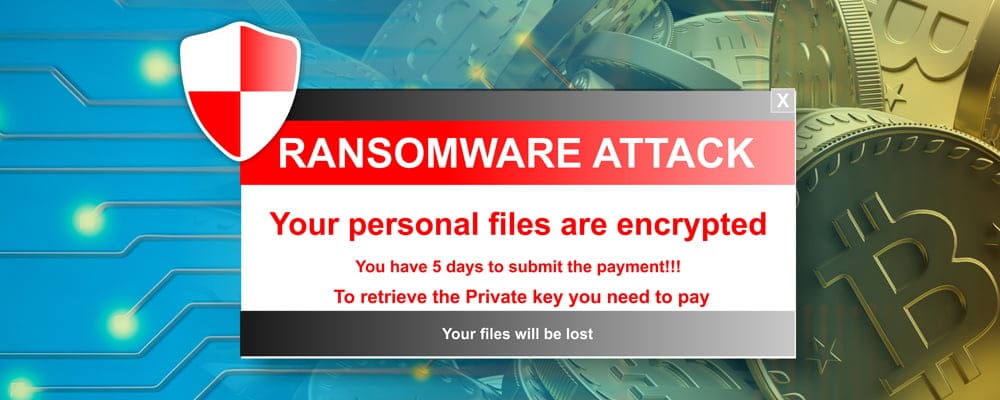
- Ransom Demand: The attacker displays a ransom note (usually a full-screen message or a text file on the desktop) with instructions on how to pay the ransom, typically in a hard-to-trace cryptocurrency like Bitcoin, in exchange for the decryption key.
- Extortion: Modern ransomware often uses a technique called “double extortion,” where attackers not only encrypt your data but also steal a copy of it (exfiltrate) and threaten to publicly release the sensitive information if the ransom is not paid.
Types of Ransomware
- Crypto-Ransomware (Encryptors): The most common type. It encrypts the victim’s files (documents, images, databases, etc.), making them unreadable without the unique decryption key. Examples: WannaCry, Locky.
- Locker Ransomware: It completely locks the user out of the computer’s operating system (like a permanent lock screen) but generally does not encrypt the files. Until a ransom is paid, the system will be unusable.
- Doxware (Leakware): Steals sensitive data and threatens to publish it online unless a ransom is paid. Cybercriminals often combine this with crypto-ransomware in double extortion attacks.
- Scareware: A less severe type that may or may not encrypt files. It uses deceptive pop-ups and fake security alerts to trick the user into paying for a bogus solution.
Key Prevention Measures
The most effective defenses against ransomware are:
- Regular, Offline Backups: This is the single most effective measure. Use the 3-2-1 rule (3 copies of data, 2 different storage types, 1 copy stored offline or off-site). If you have a clean backup, you can simply wipe the infected system and restore your data without paying the ransom.
- Keep Systems Updated: Install security patches and updates for your operating system and all software immediately. Attackers often exploit known, unpatched vulnerabilities.
- Use Multi-Factor Authentication (MFA): Enable MFA on all critical accounts to prevent attackers from using stolen passwords to gain access.
- Use Antivirus/Anti-Malware Software: Use reputable endpoint protection that is configured to update automatically.
- Be Skeptical of Emails: Be cautious of unexpected email attachments and links, even if they appear to come from a known source (this is a primary method for spreading ransomware).