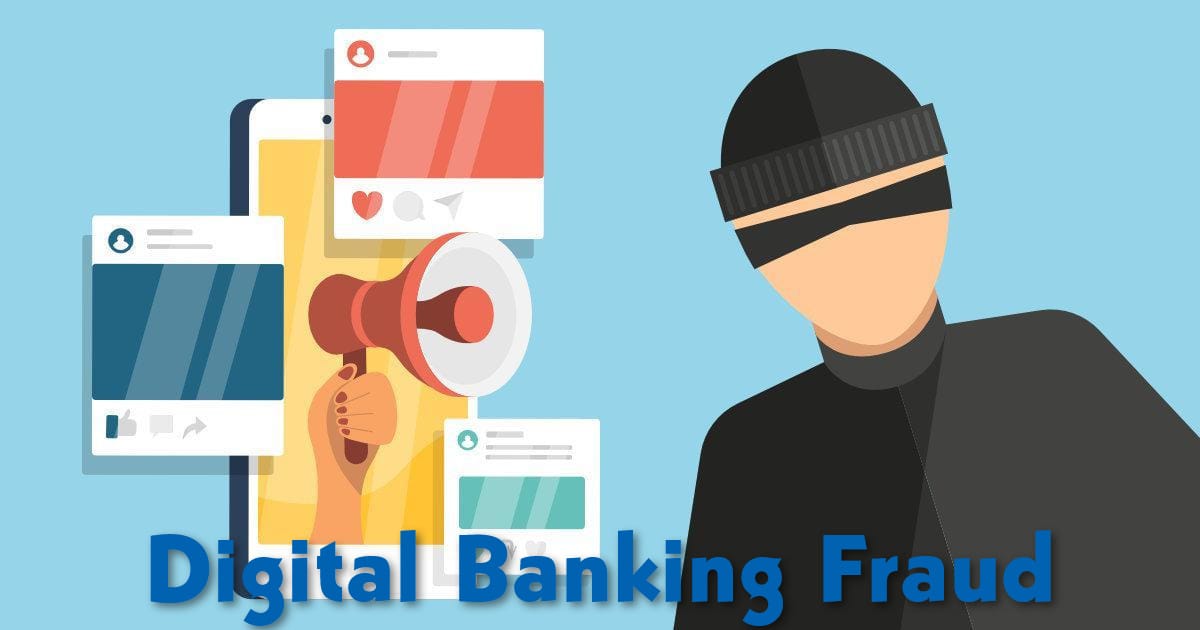
Digital banking fraud is essentially any illegal act where a criminal uses online platforms like mobile apps, websites, or digital wallets to steal money, sensitive data, or identities. Since your bank is now in your pocket rather than just on a street corner, scammers have moved from physical bank heists to clever digital “heists” that often rely more on tricking humans than hacking systems.
Common Types of Digital Banking Fraud
Scammers are creative, but their methods usually fall into a few specific buckets:
- Phishing & Smishing: You receive a fake email (phishing) or text (smishing) that looks like it’s from your bank, claiming there’s a “suspicious login“. It directs you to a fake website to steal your credentials.
- Account Takeover (ATO): A fraudster gains full access to your bank account using stolen passwords (often bought on the dark web) and changes the contact info so you don’t get alerted.
- Identity Theft: Using your personal data (SSN, DOB, etc.) to open new credit cards or loans in your name.
- Social Engineering: It is a human hack. This is when someone calls you pretending to be a fraud investigator and convinces you to transfer money to a “safe account” (which is actually theirs).
- SIM Swapping: A criminal convinces your mobile provider to switch your phone number to their SIM card, allowing them to intercept your Two-Factor Authentication (2FA) codes.

How it Usually Happens?
Most digital fraud isn’t a “Matrix-style” bypass of bank security. Instead, it follows a simple loop:
- The Hook: They reach out via a sense of urgency (“Your account will be closed in 1 hour!”).
- The Payload: You click a link or provide a code.
- The Extraction: They move the money via wire transfer, P2P apps (like Zelle or Venmo), or crypto, which are much harder to reverse than credit card charges.
Red Flags to Watch For
- Unexpected OTPs: Receiving a “One-Time Password” text when you aren’t trying to log in.
- Urgency & Fear: Anyone pressuring you to act now to save your money is usually the one trying to take it.
- Requests for Safe Transfers: A real bank will never ask you to move your money to another account to keep it safe.
If you’re ever unsure, hang up or close the app. Open your browser, manually type in your bank’s official website, and call the number listed on their verified contact page.