What is Piggybacking?
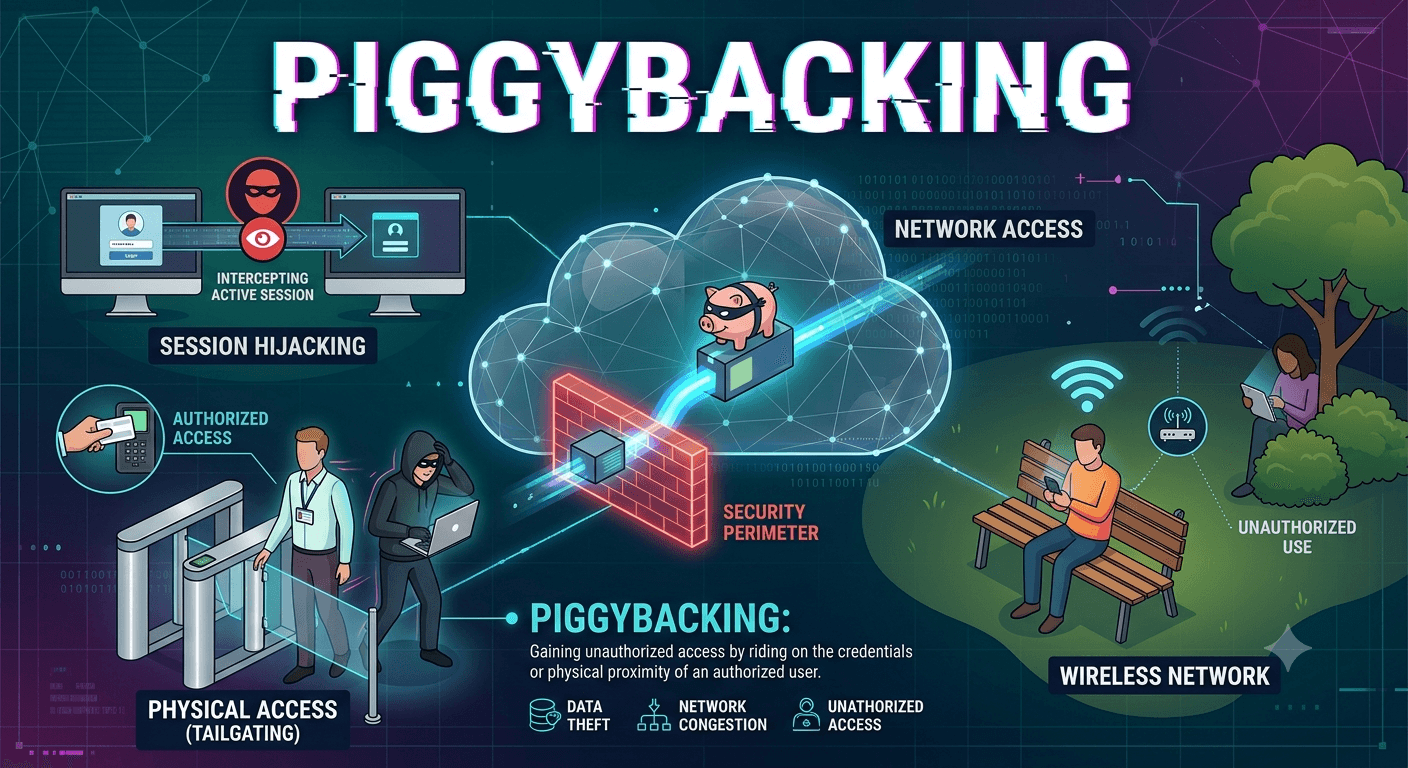
In the context of technology and security, piggybacking refers to gaining unauthorized access to a restricted area, system, or connection…

Keeping You Protected
In the context of technology and security, piggybacking refers to gaining unauthorized access to a restricted area, system, or connection…
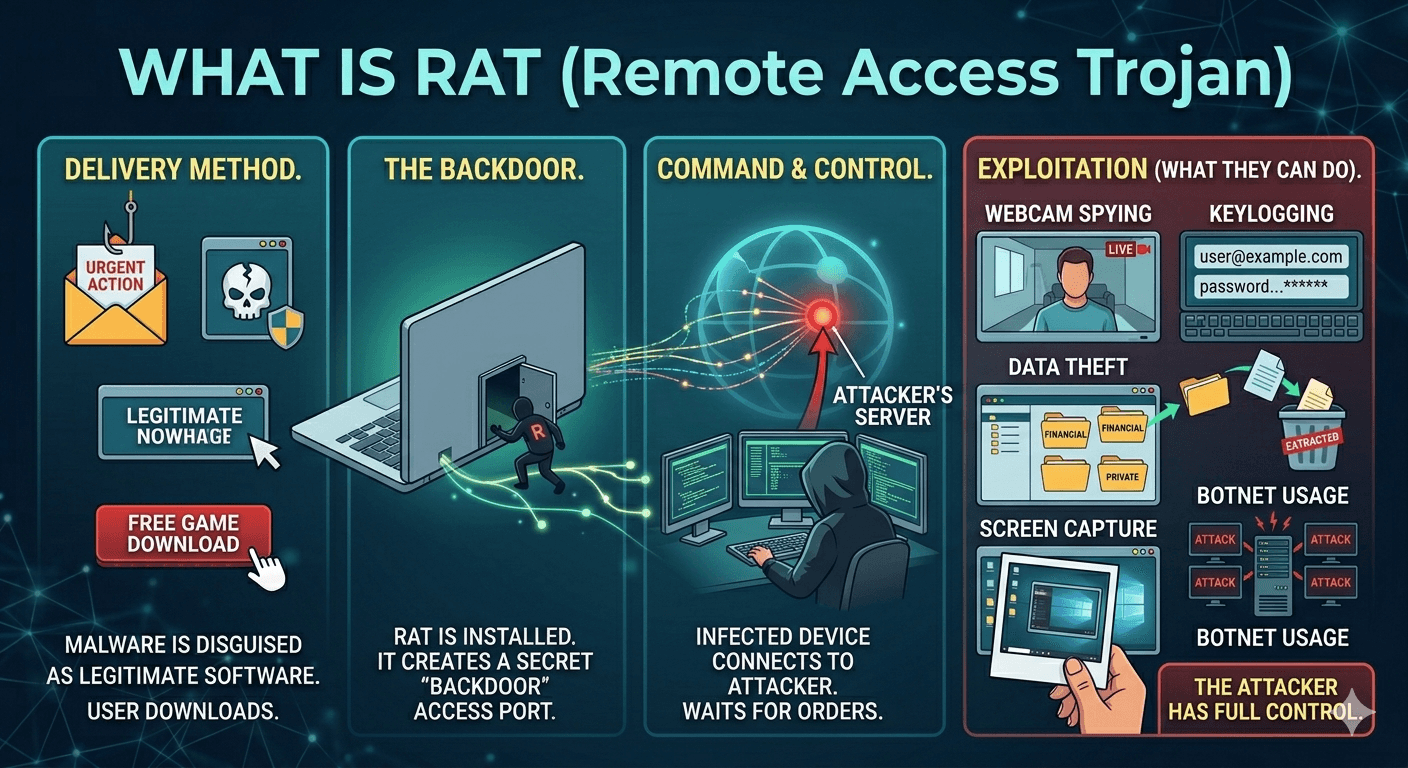
A Remote Access Trojan (RAT) is a type of malware that allows a hacker to take full administrative control over…
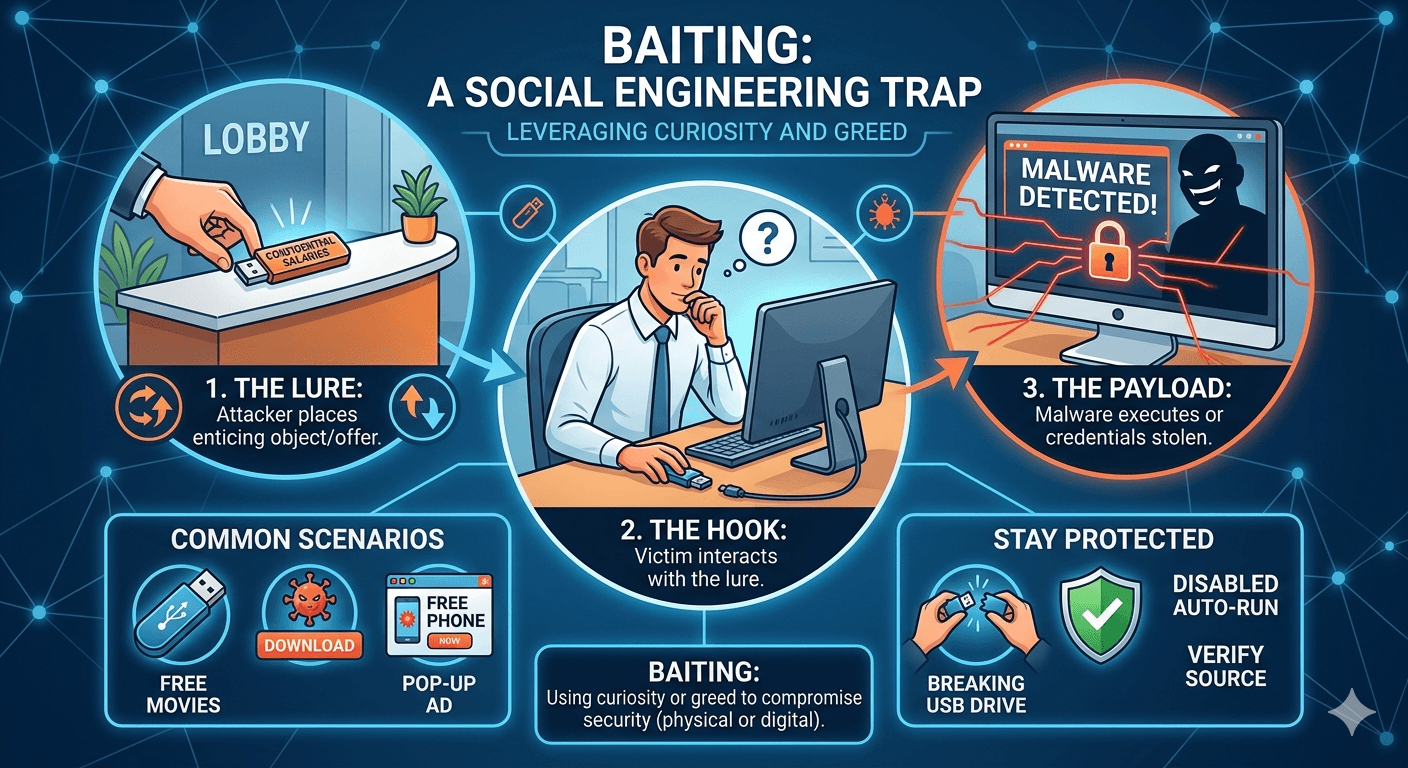
Baiting is a social engineering technique that leverages a person’s curiosity or greed to compromise their security. It is essentially…
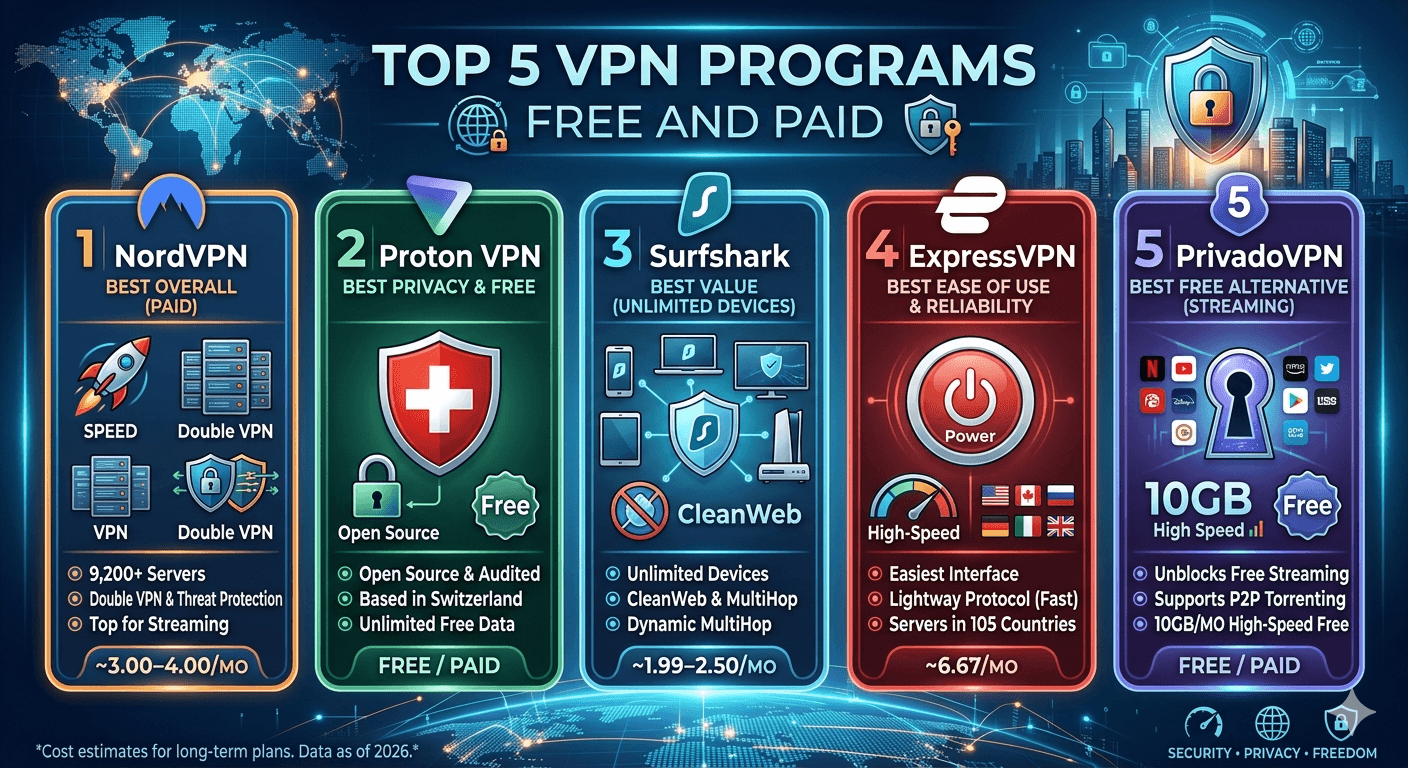
Selecting a VPN can feel like navigating a maze of marketing claims, but by 2026, a few clear leaders have…
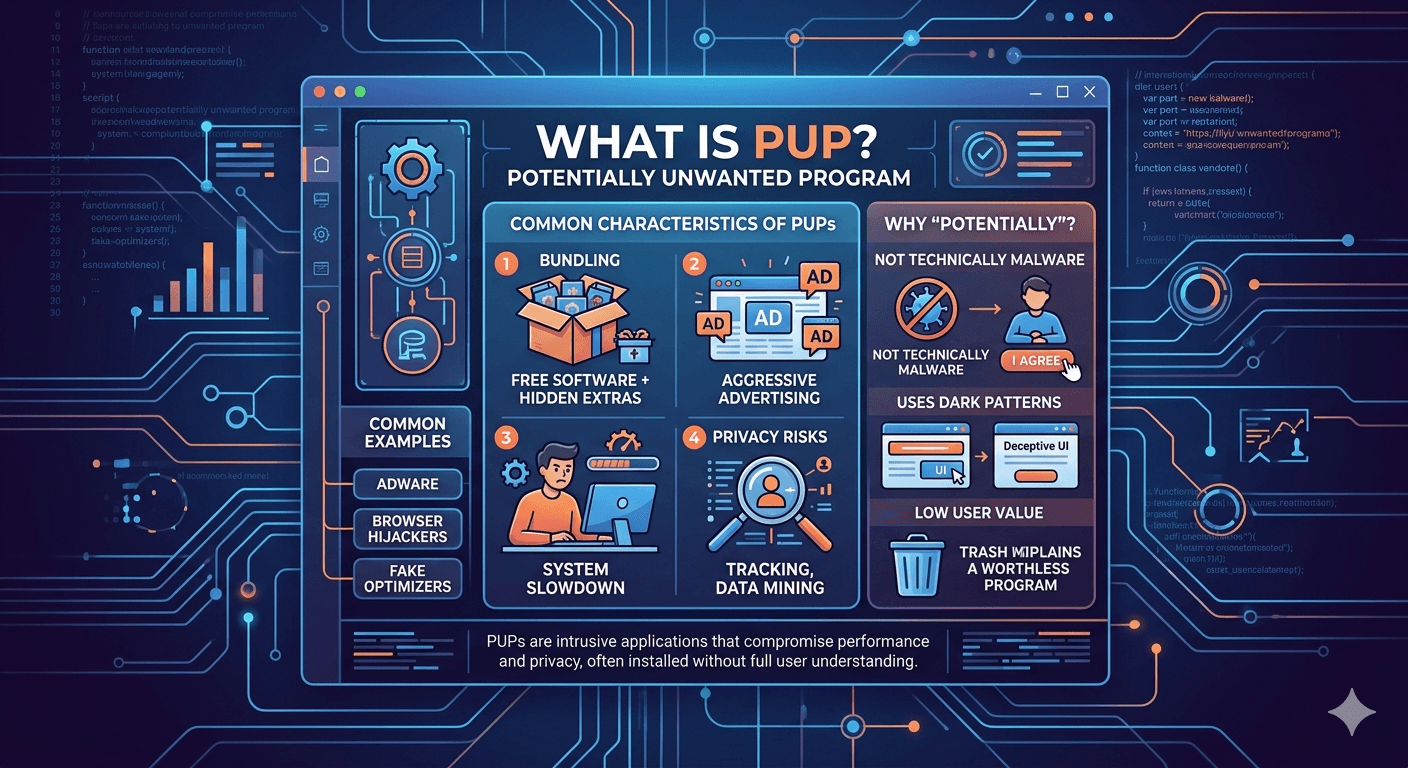
A Potentially Unwanted Program (PUP) is a category of software that may be perceived as unwanted by a user, even…
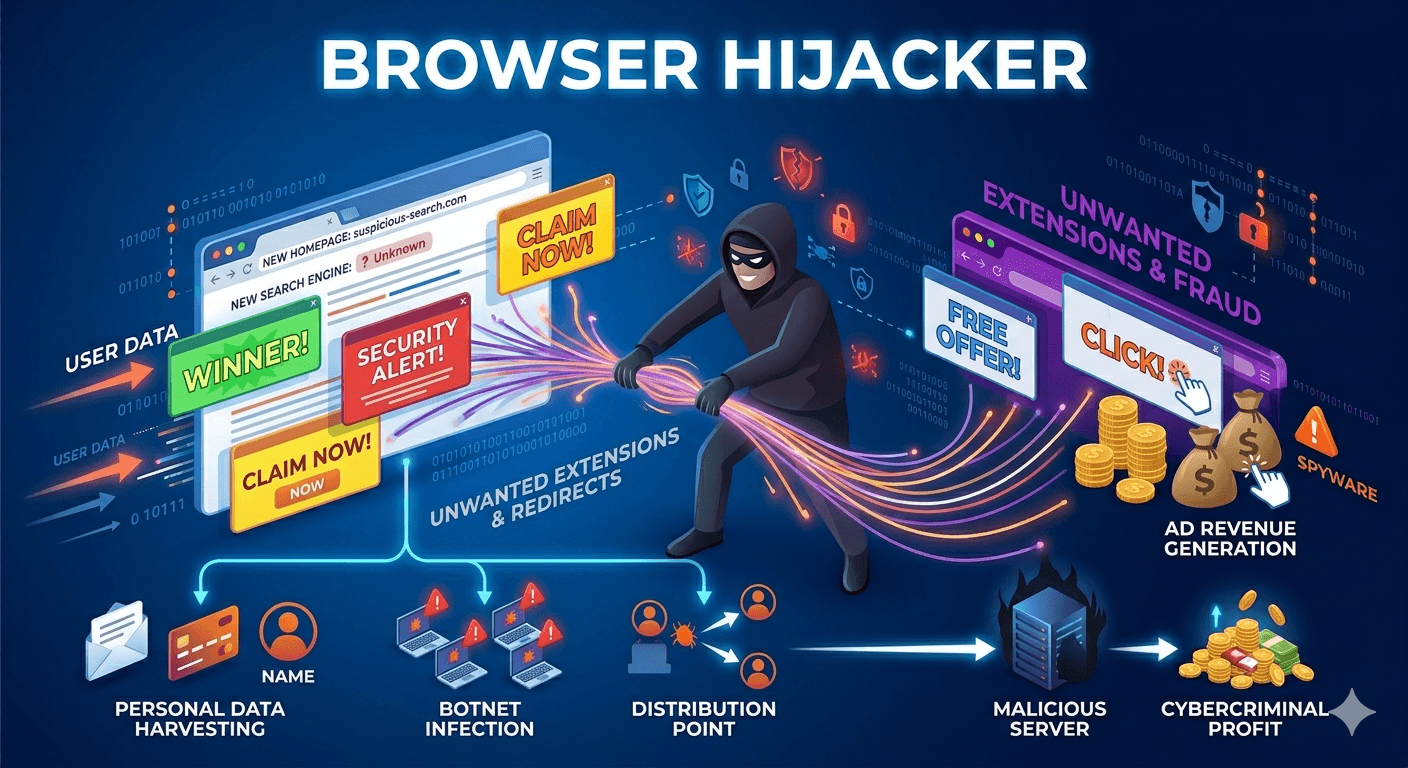
A browser hijacker is a type of unwanted software (often a form of malware or grayware) that modifies a web…
Antimalware is a type of software program designed to prevent, detect, and remove malicious software (malware) from IT systems and…
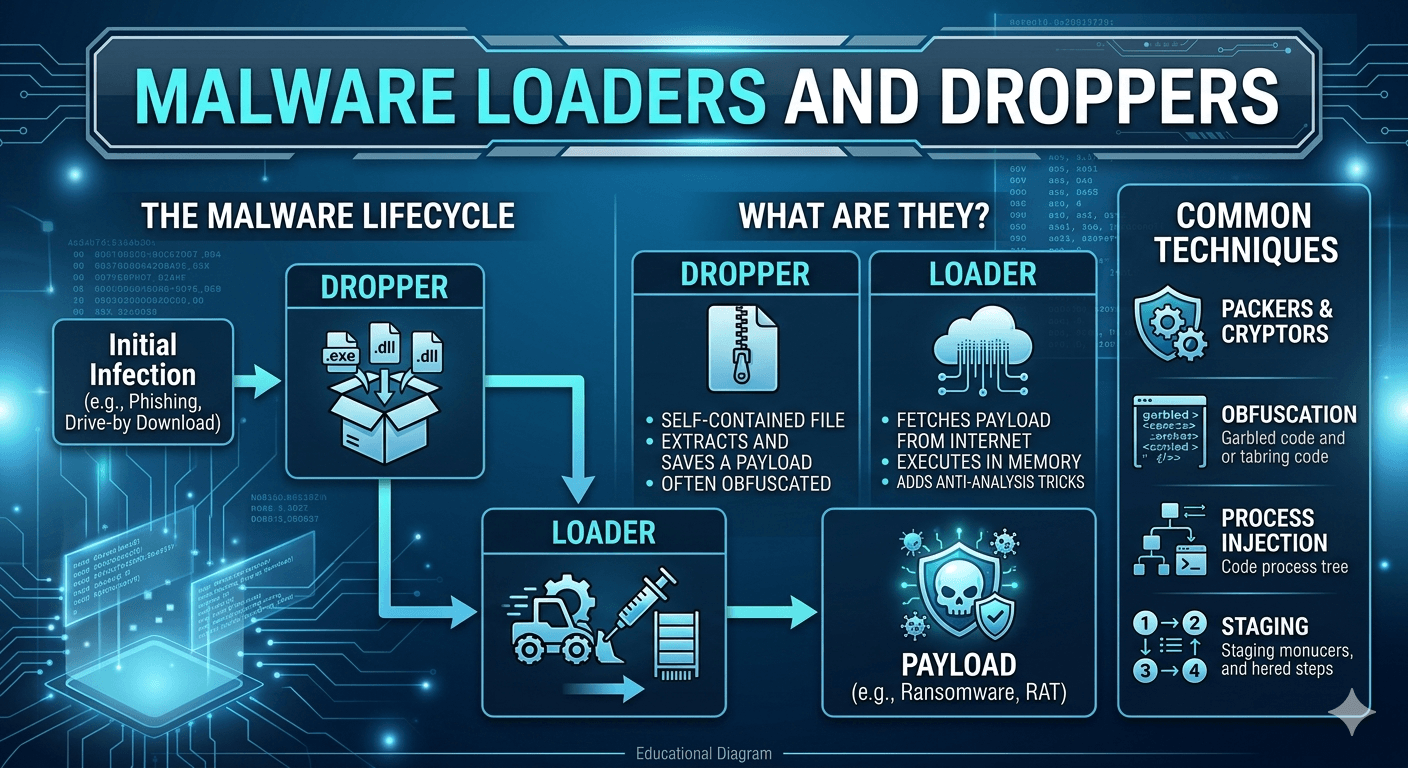
In the world of cybersecurity, Loaders and Droppers are types of helper malware designed to smuggle more dangerous threats like…
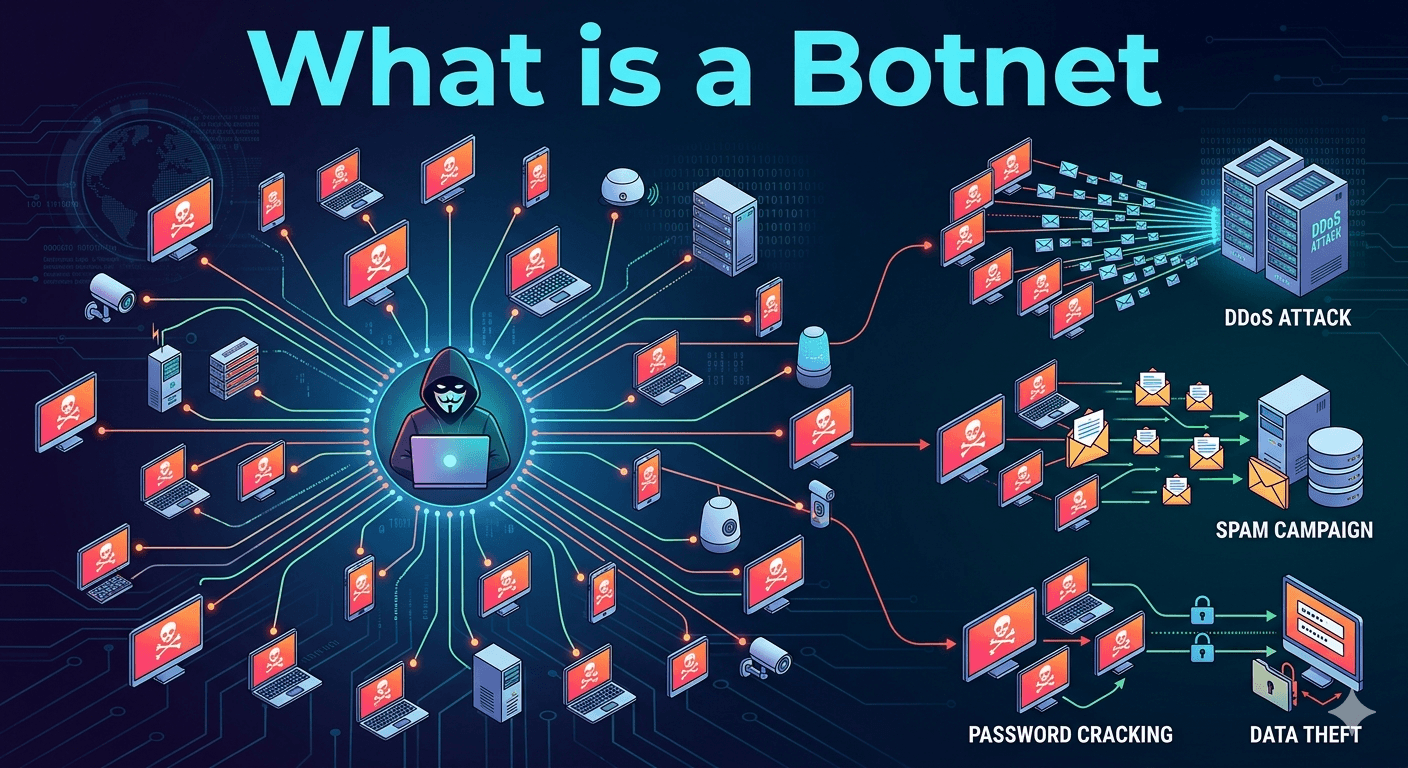
A botnet (a portmanteau of “robot” and “network”) is a collection of internet-connected devices such as computers, smartphones, or Internet…
Infostealers (like Lumma or RedLine) are the primary tools in the Malware-as-a-Service (MaaS) economy. Unlike ransomware, they don’t lock your…