A Job Scam, or employment fraud, is a fraudulent scheme where a scammer poses as a legitimate employer or recruiter to steal a job seeker’s money, personal information, or both.
These scams prey on the urgency and hope of people looking for work, especially those seeking flexible, high-paying remote roles. The “job” they offer either doesn’t exist, or it is a cover for a criminal operation.
How Job Scams Work?
The scammer’s primary goal is never to hire you. Instead, they typically aim for one of the following:
- Advance Fees: Getting you to pay an upfront fee for “training materials,” “background checks,” “equipment,” or “admin fees.”
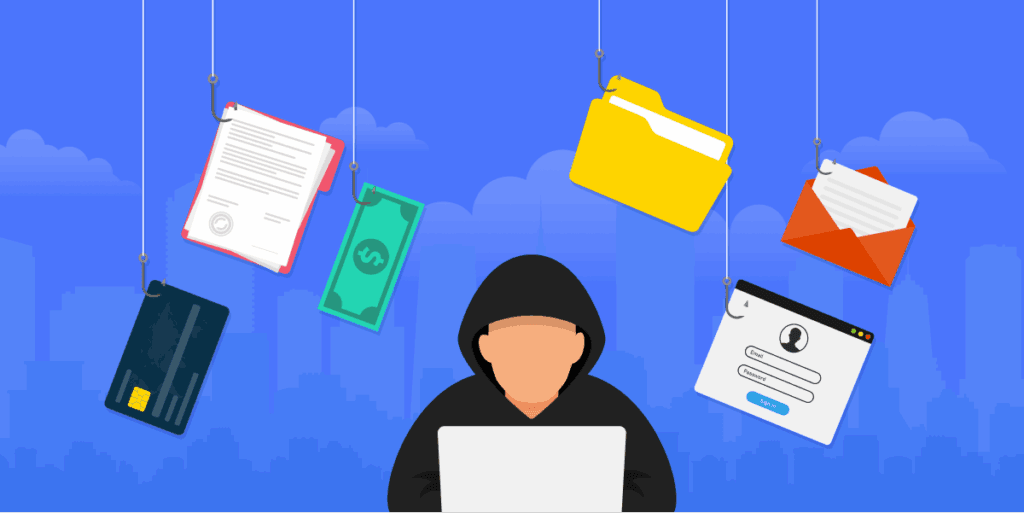
- Identity Theft: Collecting sensitive information like your Social Security Number, date of birth, or bank account details for “direct deposit” before you’ve even started work.
- Money Laundering (Fake Check Scams): Sending you a large, fake check (for “equipment” or “overpayment“) and asking you to deposit it, keep a small portion, and immediately wire the rest back to a third party. The check eventually bounces, and you are responsible for the full amount you wired.
- Free Labor/Task Scams: Offering small commissions for completing simple “tasks” (like rating products, watching videos, or liking posts). They make you invest a small amount of your own money first, pay you a small commission a couple of times to build trust, and then demand a much larger investment or deposit, after which they disappear.
Common Red Flags of a Job Scam
Job scams have become highly sophisticated, often impersonating real companies and using professional-looking communications. Always be suspicious of job offers that include one or more of the following:
Requests for Payment
A legitimate company will never ask a candidate to pay money to get a job. This is the single biggest red flag. The request might be disguised as:
- Upfront Fees: For “training materials,” “background checks,” “application processing,” or “certification.”
- Equipment Purchases: Asking you to buy computer equipment, software, or supplies from a specific vendor (who is the scammer) and promising reimbursement that never comes.
- Fake Check Scams: They send you a check (which is fake) for “startup costs” that is more than the required amount. They then ask you to deposit the check and wire the “extra” money back to them. The fake check eventually bounces, and you lose the money you sent.
Unprofessional or Suspicious Communication
The hiring process feels off or lacks professionalism:
- Generic Email Domains: The contact uses a free, personal email address (like @gmail.com, @hotmail.com) instead of a professional company domain (@companyname.com).
- Poor Language: The job posting or email is full of excessive spelling, grammar, or punctuation errors.
- Messaging Interviews: The entire hiring process, including the “interview,” is conducted solely through text, WhatsApp, Telegram, or other instant messaging apps, without a phone call or video chat.
Too Good to Be True
The offer is unrealistic for the role or your experience level:
- High Pay, Low Effort: The salary is extremely high for the job duties, or it promises huge earnings for minimal effort and no experience (e.g., “Earn $500/day working 1 hour from home“).
- Instant Offer: You are offered the job immediately after a brief chat, or even without an interview at all. Legitimate companies always conduct a thorough vetting process.
- Vague Duties: The job description is extremely vague, using generic terms like “Data Entry Assistant” or “Online Task Manager” without detailing specific, meaningful responsibilities.

Early Request for Sensitive Data
A legitimate employer only asks for sensitive data after you have accepted the official offer. Scammers ask for it early:
- Pre-Offer Data: They request your bank account details, Social Security number (or national ID), date of birth, or copies of your passport/driver’s license before you are officially hired and on-boarded.
- Direct Deposit Setup: They claim they need your bank details right away to set up direct deposit.
How to Protect Yourself?
- Never Pay to Get a Job: This is the golden rule. No real company requires payment from job applicants.
- Verify the Company: Do your own research. Search for the company’s official website, look them up on LinkedIn, and check employee reviews on sites like Glassdoor. Go to the official company website and check their Careers page. If the job isn’t listed there, it’s likely fake.
- Confirm the Contact: If a recruiter contacts you, go to the company’s official website and call their main HR number or use their official contact form to ask if the recruiter and the job are legitimate.
- Use Official Communication: Insist on an interview via a professional platform (like Zoom or Microsoft Teams) that includes video, and check that the recruiter’s email address matches the company’s domain.