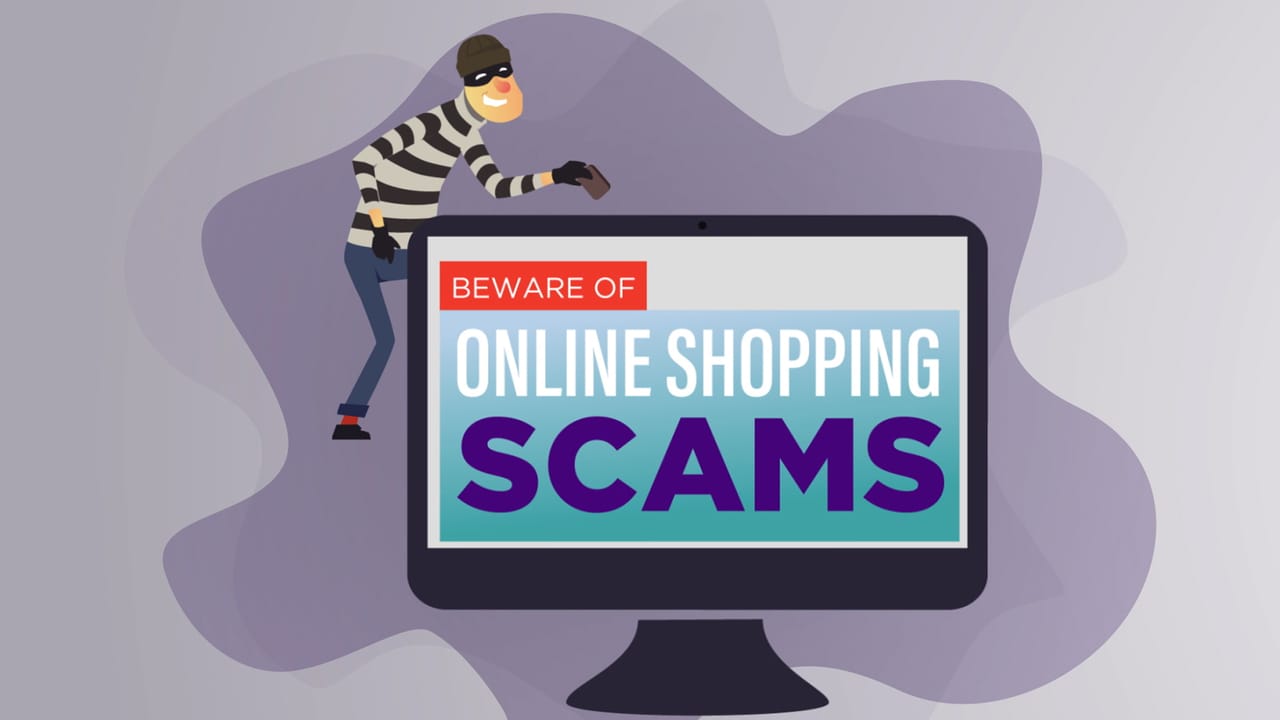
An Online Shopping Scam is a fraudulent practice where cybercriminals use the internet to deceive customers into paying for goods or services that are either:
- Non-existent and will never be delivered.
- Counterfeit or of significantly poor quality.
- Part of a scheme to steal your personal or financial information.
Scammers set up fake websites, create fraudulent listings on legitimate marketplaces, or use deceptive emails/messages to lure unsuspecting shoppers, often with offers that seem “too good to be true.”
Common Types of Online Shopping Scams
- Fake Websites (E-commerce Sites): Scammers create professional-looking websites that mimic legitimate online stores, often with slightly misspelled URLs (e.g., “Amazom.com“). Their goal is to steal your payment and personal information when you try to make a purchase.
- Non-delivery Scams: You pay for an item, but the scammer provides fake shipping information, delays the delivery until it’s too late to dispute the charge, or simply disappears after receiving your money, and you never receive the product.
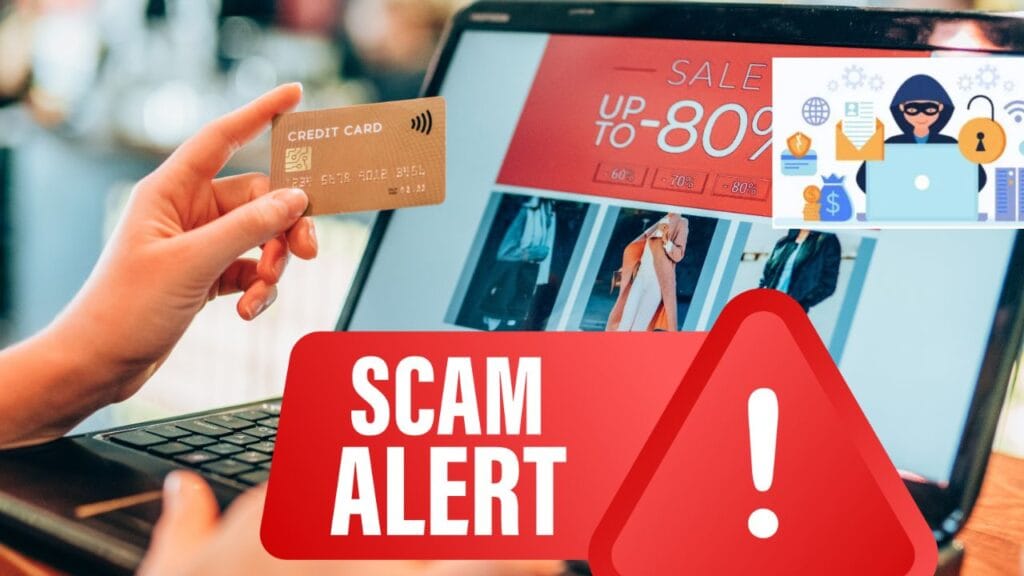
- Counterfeit Goods: Scammers advertise popular or luxury items at a significantly reduced price. The product you receive is either a low-quality knockoff, or nothing at all.
- Phishing Scams: In case of a Phishing Scam, you will get fraudulent emails or text messages appear to be from a well-known retailer, bank, or delivery company. They ask you to click a link to “verify your account,” “update payment,” or “track a package.” The link leads to a fake site designed to steal your login credentials or financial details.
- Social Media Scams: Ads on platforms like Instagram, Facebook, or TikTok promote deep discounts from unfamiliar sellers. These ads lead to a fake shop or a scammer who disappears once you pay.
Tips to Avoid Online Shopping Scams
- Verify Website Authenticity: Always check the URL. A secure site starts with https:// and has a padlock icon in the address bar. Look for misspellings or unusual characters in the domain name.
- Check for Unrealistic Offers: If the price is significantly lower than every other retailer, it is likely a scam. If it sounds too good to be true, it probably is.
- Research the Seller: Search for the company name plus the word “scam” or “reviews” online. Be wary of sellers with no reviews or only overly positive (and likely fake) reviews.

- Use Secure Payment Methods: Pay with a credit card or a trusted online payment service, as they often offer built-in fraud protection. Avoid sellers who insist on wire transfers, cryptocurrency, gift cards, or direct bank transfers, as these are almost impossible to track or refund.
- Be Wary of Unsolicited Messages: Never click on a link or download an attachment from an unexpected email or text message, even if it looks like it’s from a company you know. Go directly to the official website by typing the address yourself.