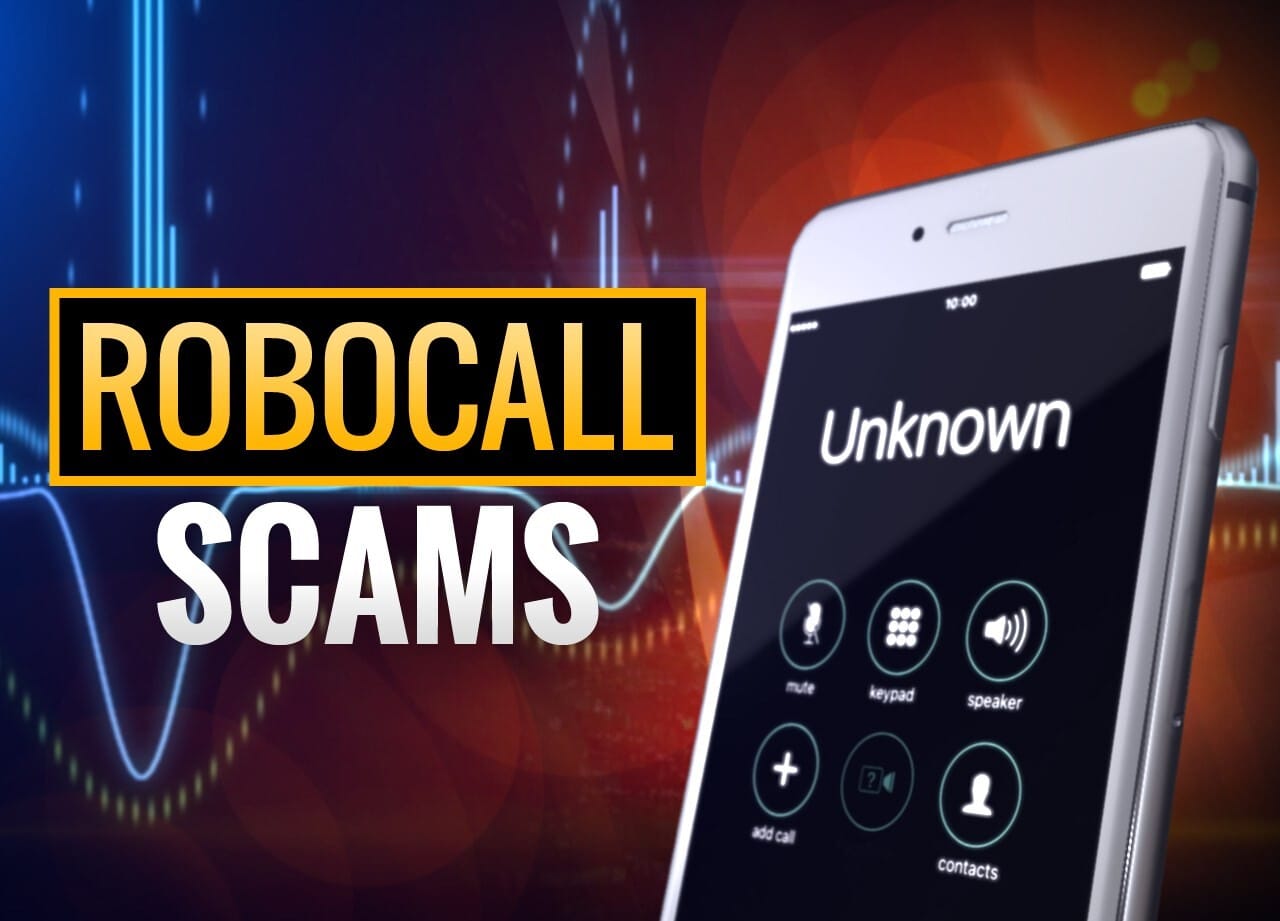
A robocall scam is a fraudulent phone call that uses an automated dialing system to deliver a prerecorded or AI-generated message. While not all robocalls are illegal (such as school closures, flight updates, or doctor reminders), any robocall trying to sell you something or asking for personal information without your prior written consent is likely a scam.
How Robocall Scam Works?
Scammers use “robocalling” technology because it is incredibly cheap and efficient, allowing them to dial millions of numbers a day. They often employ two key tactics:
- Spoofing: They manipulate the caller ID to make it look like the call is coming from a local area code or a trusted organization (like the IRS or your bank).
- Urgency & Fear: The messages often claim there is an urgent problem like a warrant for your arrest, a suspicious bank charge, or an expiring car warranty to panic you into acting quickly.
Common Types of Robocall Scams
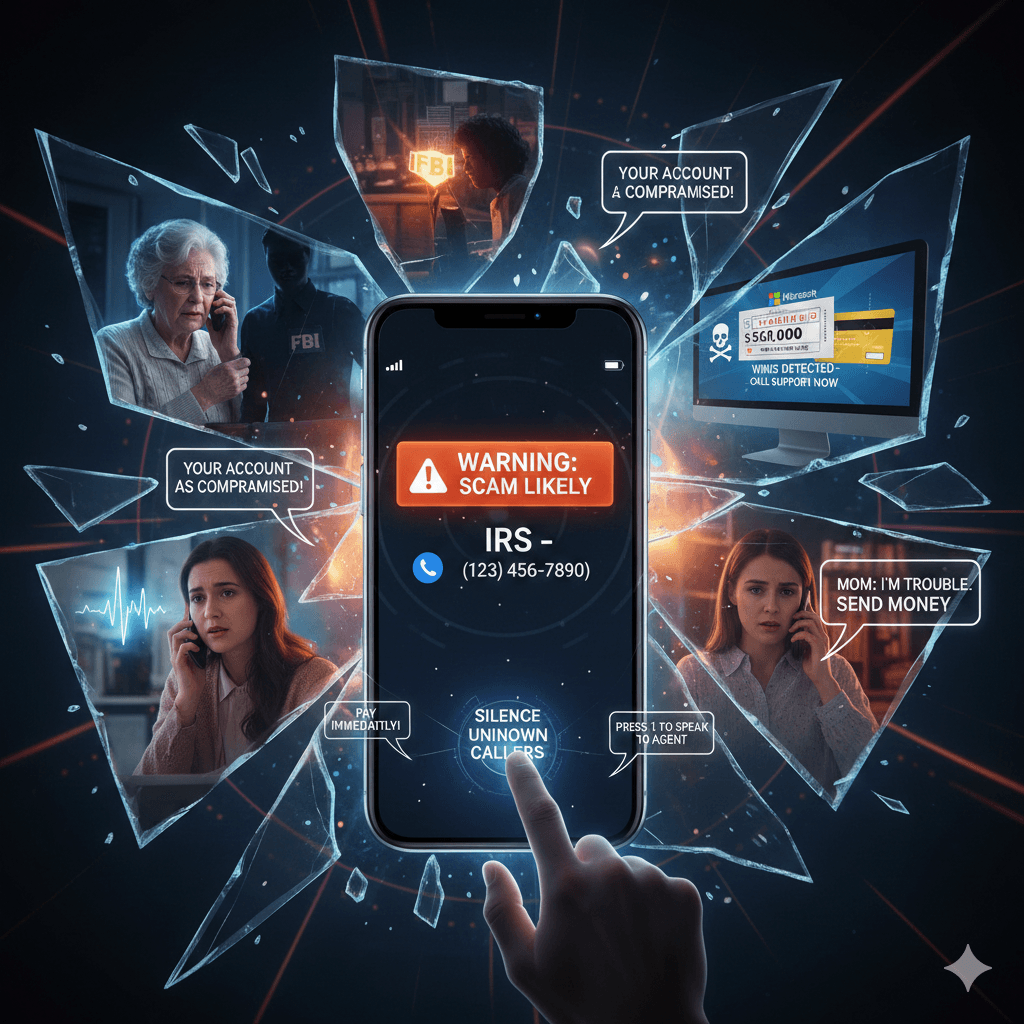
- Government Imposter: Claims to be from the IRS, Social Security, or FBI, threatening arrest or legal action unless you pay a “fine“.
- Bank/Fraud Alert: Claims your account has been compromised and asks you to “verify” your identity by giving your PIN or password.
- AI Voice Cloning: Uses a short clip of a loved one’s voice (often from social media) to trick you into thinking a family member is in trouble and needs money.
- Tech Support: Pretends to be from Apple, Microsoft, or Google, claiming your computer has a virus that they need remote access to fix.
- Prize/Lottery: Informs you that you’ve won a large sum of money or a free vacation but requires a “shipping” or “processing” fee first.
Red Flags to Watch For
- The “Yes” Trap: The caller asks, “Can you hear me?” They want to record you saying “Yes” to use it as fake authorization for future charges.
- Untraceable Payment Requests: If they demand payment via gift cards, cryptocurrency, or wire transfers, it is 100% a scam. Legitimate companies never ask for these.
- Dead Silence: Often, there is a 2–3 second delay after you say “Hello” while the computer connects you to a live scammer.
- Pressure: They will discourage you from hanging up to check with a spouse or call the company back directly.
How to Protect Yourself?
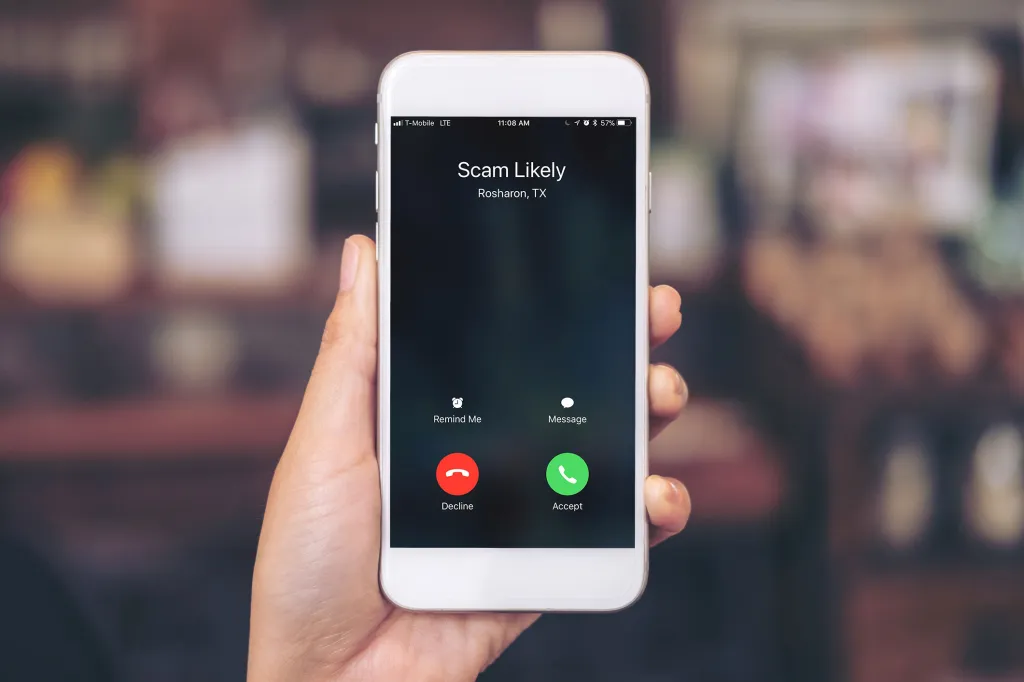
- Don’t Answer Unknown Numbers: If it’s important, they will leave a voicemail.
- Hang Up Immediately: If you realize it’s a robocall, do not press any buttons (even to “opt-out“), as this confirms your number is active.
- Use “Silence Unknown Callers”: Most modern iPhones and Androids have a setting to automatically send calls from unknown numbers to voicemail.
- Register with the “Do Not Call” List: While scammers ignore it, it helps you identify that any sales call you do get is definitely illegal.