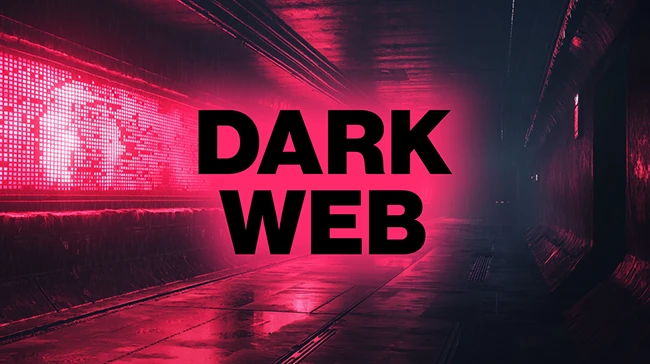
Standard search engines (like Google or Bing) do not index the Dark Web, a hidden and intentionally concealed part of the internet that requires specialized software to access. It is a small subset of the much larger Deep Web, which simply refers to any web content that is behind a paywall, protected by a password (like your email or bank account), or otherwise not available to the public.
How the Dark Web Works?
The Dark Web operates on what are called darknets overlay networks that are kept private. The most famous of these is Tor (The Onion Router).
- Specialized Browser: To access the Dark Web, you must use an anonymizing browser like the Tor Browser.
- Layered Encryption: Tor works by routing your internet traffic through a worldwide, volunteer-operated network of relay servers. This process encrypts your data multiple times (like the layers of an onion), making it extremely difficult to trace the user’s location or identity.
- .onion Domain: Websites on the Dark Web do not use standard domain endings like .com or .org. Instead, they typically use the .onion domain, which is only resolvable within the Tor network.
Purpose and Activities
The anonymity of the Dark Web makes it a platform for two very different types of users:
Malicious/Illegal Uses: The Dark-Web is notorious for facilitating criminal activity, as the anonymity shields users from law enforcement. This is what it is most often associated with:
- Illegal Marketplaces: Selling illegal drugs, firearms, counterfeit goods, and explosives.
- Stolen Data: Marketplaces for buying and selling stolen personal information, credit card numbers, login credentials, and identities from data breaches.
- Cybercrime Services: Hiring hackers, selling malware, ransomware kits, and exploit tools.
- Illicit Content: Hosting illegal and extremely disturbing materials.
Legitimate/Ethical Uses: The same anonymity that criminals seek is also valuable for people needing private communication and protection from surveillance:
- Whistleblowers: People who need to leak sensitive government or corporate documents securely without revealing their identity.
- Journalists and Activists: Individuals operating in countries with high internet censorship or oppressive regimes use this web space to communicate, organize, and publish uncensored information safely.
- Privacy Advocates: People who simply want to browse the internet without their activity being tracked by corporations or governments.
In short, the Dark Web is an anonymous space whose value depends entirely on the intent of the user. However, due to the high concentration of criminal activity, accessing it poses significant risks to anyone who ventures there.