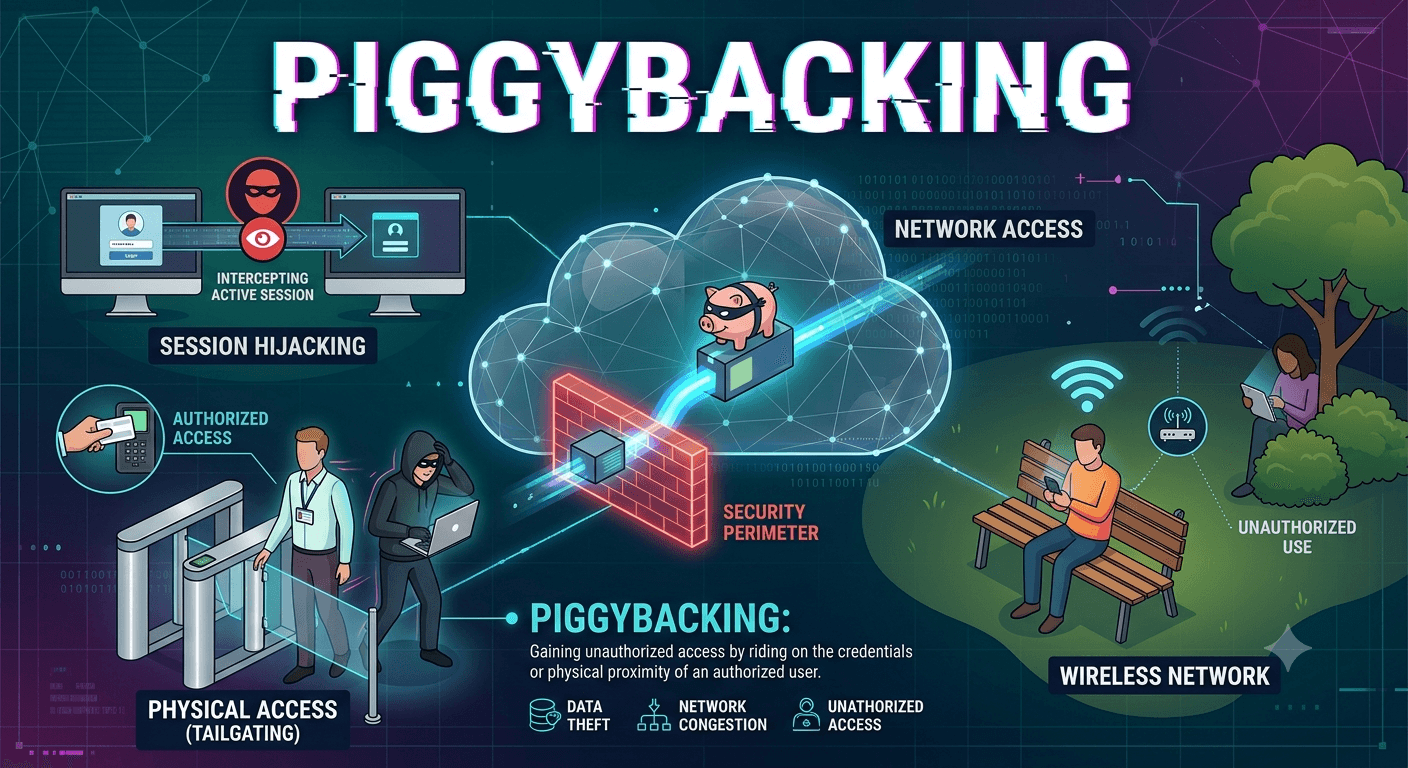
What is Piggybacking?
In the context of technology and security, piggybacking refers to gaining unauthorized access to a restricted area, system, or connection…

Keeping You Protected
In the context of technology and security, piggybacking refers to gaining unauthorized access to a restricted area, system, or connection…
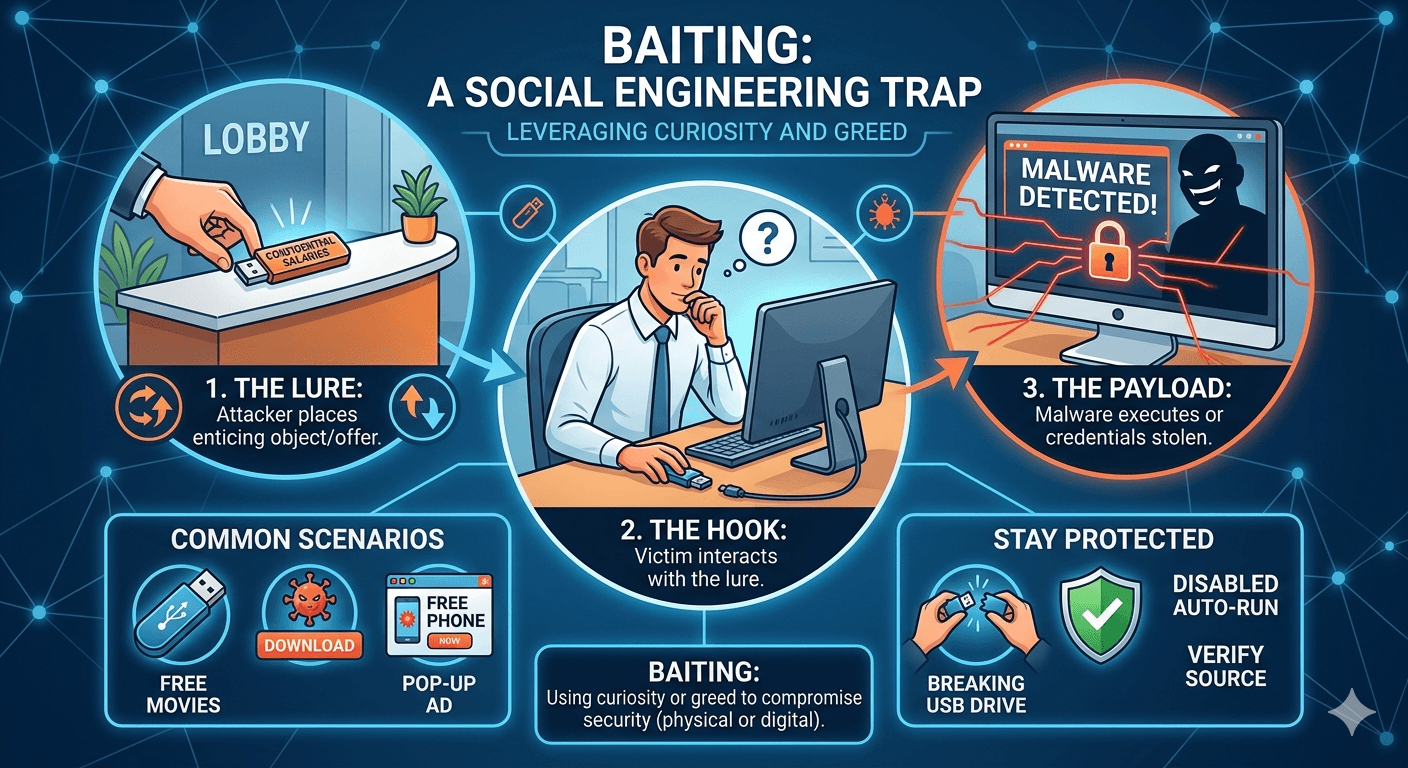
Baiting is a social engineering technique that leverages a person’s curiosity or greed to compromise their security. It is essentially…
Pretexting is a form of social engineering where an individual creates a fabricated scenario, the “pretext“, to trick a victim…
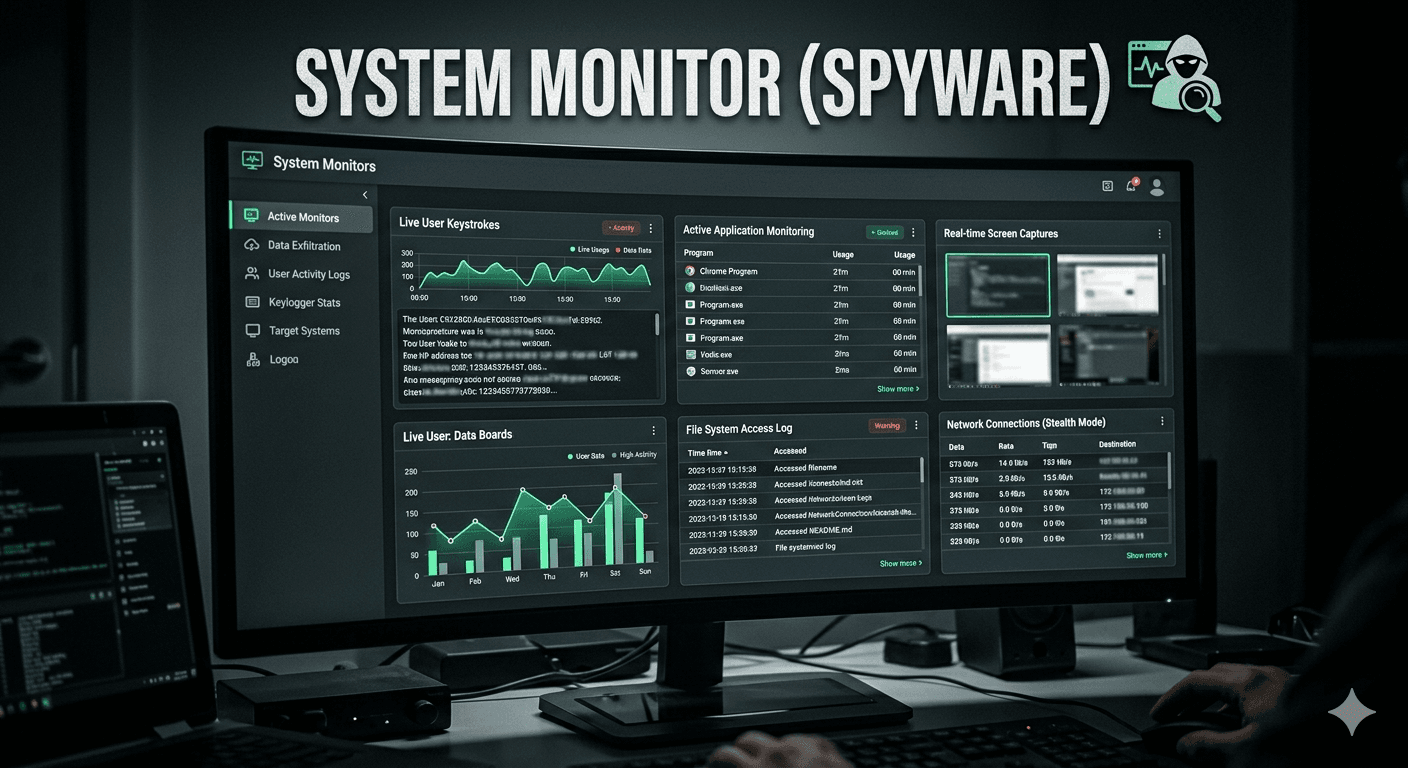
In the context of spyware, System Monitors are a specific category of surveillance software designed to track and record every…
Fake Optimizers are a category of deceptive software often classified as Potentially Unwanted Programs (PUPs) or scareware that claim to…
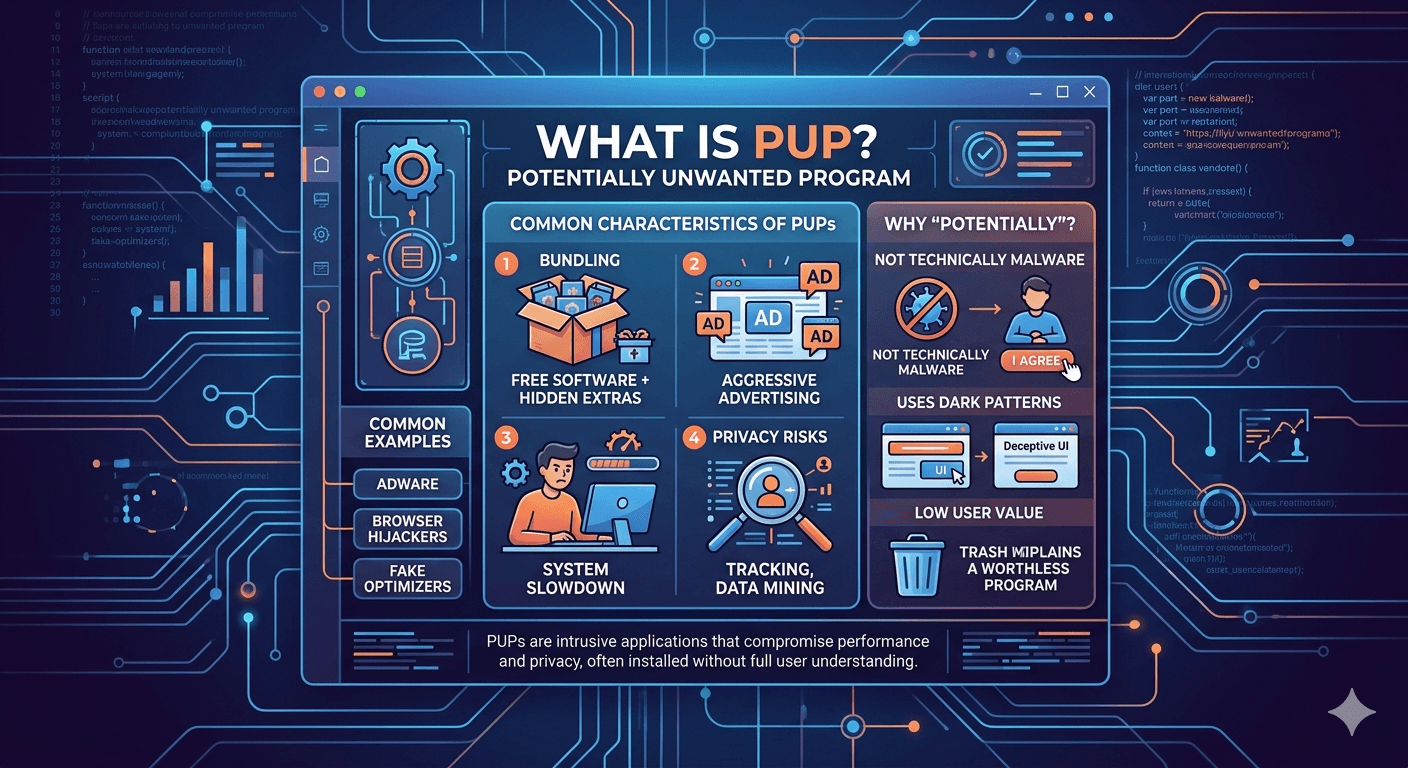
A Potentially Unwanted Program (PUP) is a category of software that may be perceived as unwanted by a user, even…
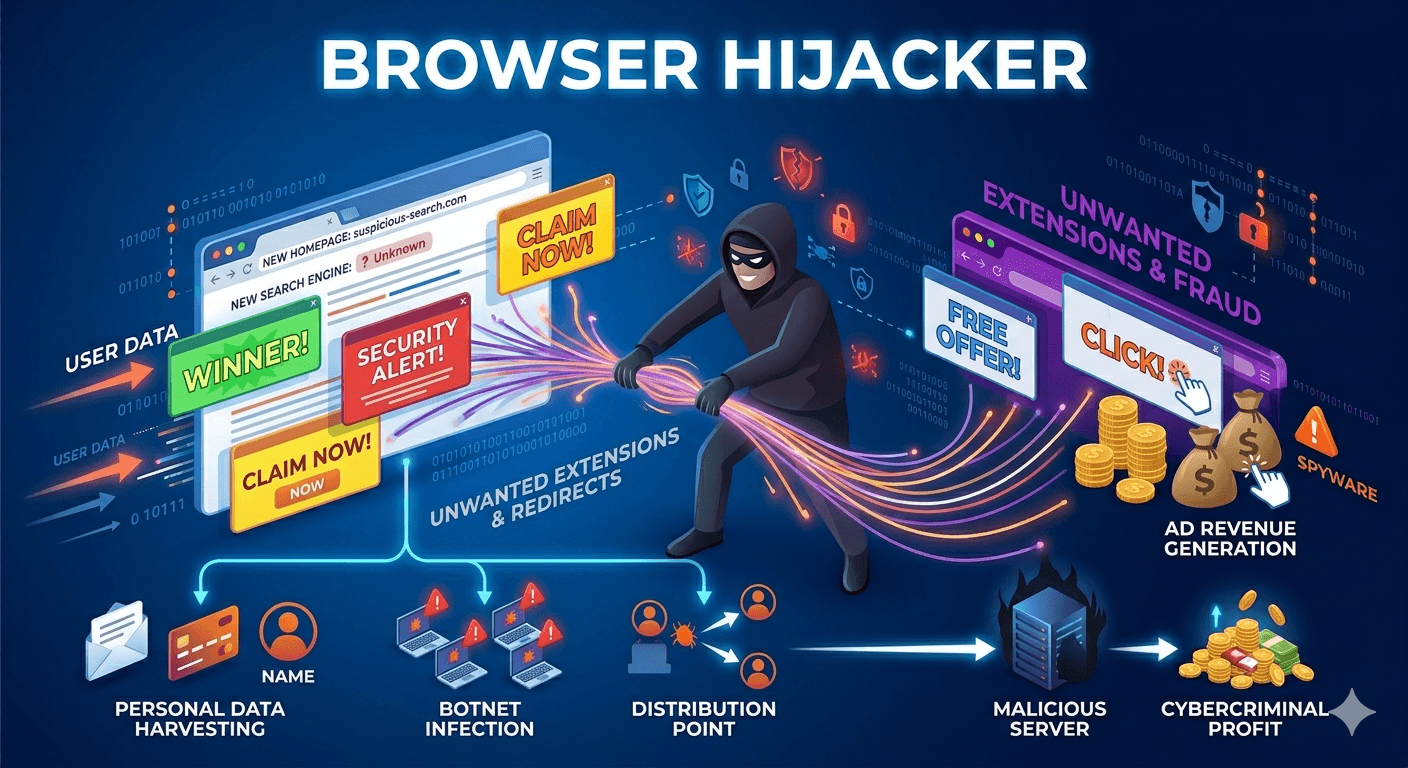
A browser hijacker is a type of unwanted software (often a form of malware or grayware) that modifies a web…
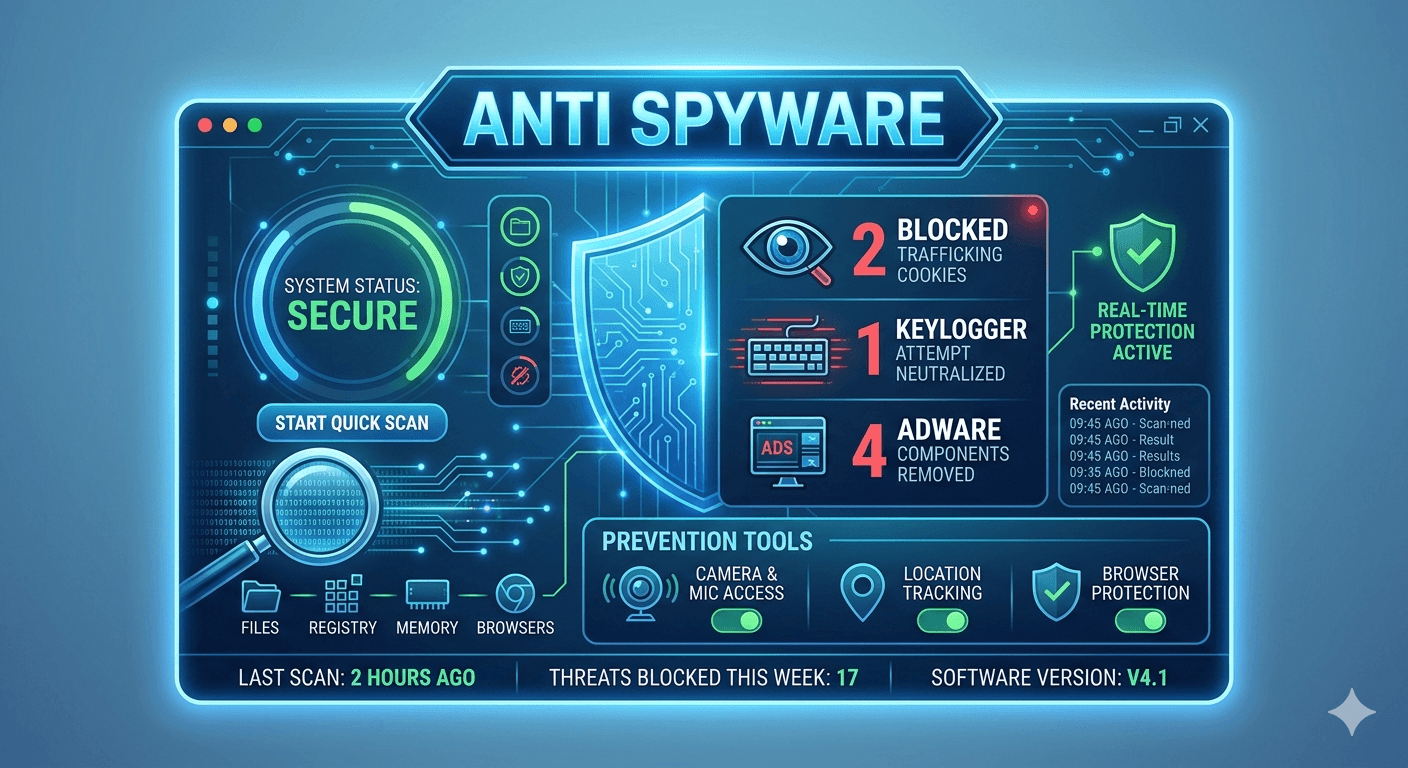
An Anti-Spyware program is a type of security software designed to detect, remove, and prevent the installation of spyware on…
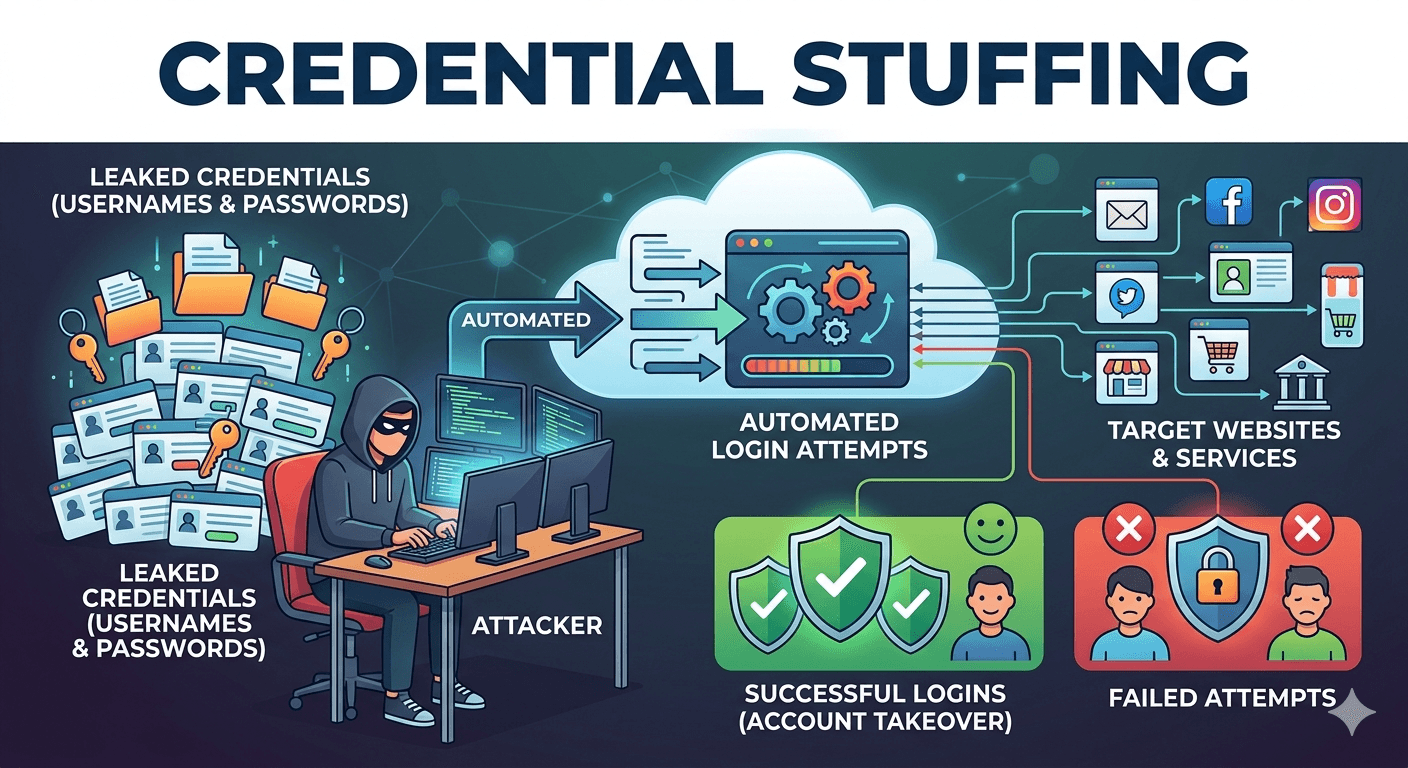
Credential stuffing is a type of cyberattack where hackers use lists of compromised user credentials typically usernames or email addresses…
Infostealers (like Lumma or RedLine) are the primary tools in the Malware-as-a-Service (MaaS) economy. Unlike ransomware, they don’t lock your…