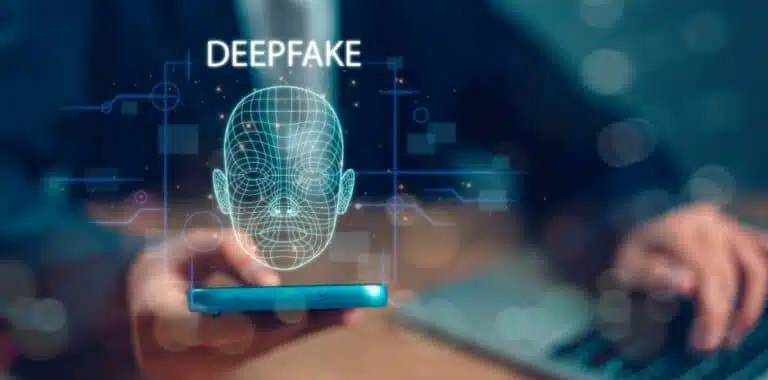
Deepfake fraud is a type of fraud that uses deepfakes highly realistic, synthetic images, audio, or video created using deep learning (a subset of artificial intelligence to impersonate individuals or events and deceive victims.
Essentially, it’s a new, highly convincing tool for social engineering attacks, where criminals manipulate media to present themselves as someone trustworthy, like a CEO, a colleague, or a family member, to trick the victim into taking an action that benefits the fraudster.
Common Types of Deepfake Fraud
- Financial/CEO Fraud (Business Email Compromise 2.0): Fraudsters create a deepfake audio or video of a senior executive (like a CFO or CEO) instructing an employee to urgently transfer a large sum of money to a fraudulent account, often claiming it’s for a secret acquisition or urgent payment.

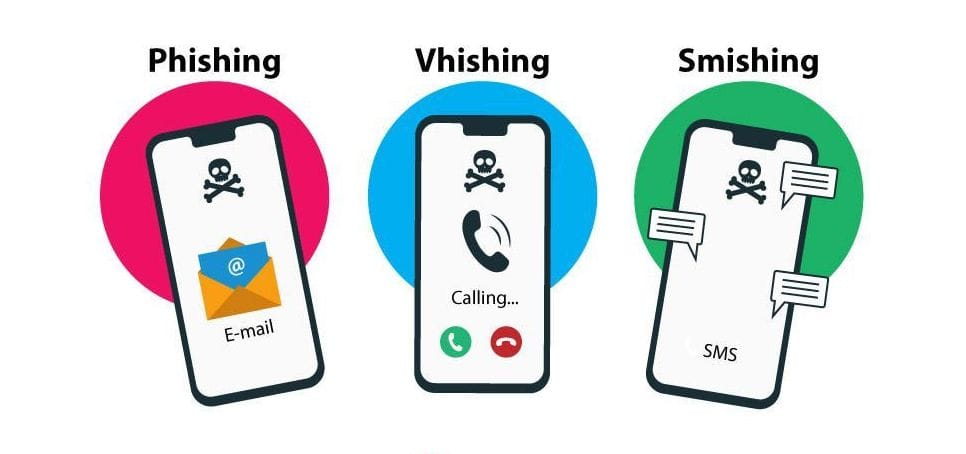
- Deepfake Phishing/Scams: This targets individuals by impersonating someone they trust (a grandchild, friend, or bank official) in a phone or video call to create a sense of urgency or emotional distress.
- Identity Theft and Application Fraud: Deepfakes are used to bypass biometric security or identity verification processes to open new accounts, apply for loans, or take over existing accounts.
How to Protect Yourself?
Because deepfakes are becoming increasingly sophisticated, relying on your eyes and ears alone is not enough. You should always practice extreme caution and employ a verify-first mindset:
- Implement a “Secret Password”: For your family, agree on a specific word or phrase that a loved one must use if they call with an urgent request for money. If the caller doesn’t know it, hang up and verify.

- Verify Through a Different Channel: If you receive an urgent request for money or sensitive information from a trusted person (especially a boss or family member), do not use the contact details from the suspicious communication.
- Hang up or close the video.
- Call them back using a phone number or email address you already have saved or that you know is legitimate (e.g., from the company directory).
- Be Wary of Urgency and Emotion: Scammers intentionally create a rush of emotion (fear, excitement, stress) to cloud your judgment. Stop, breathe, and think rationally before acting on any urgent request.
- Use Multi-Factor Authentication (MFA): For all your accounts, use MFA (preferably not SMS, but an authenticator app) to ensure that even if a criminal gets your password, they can’t access your account.