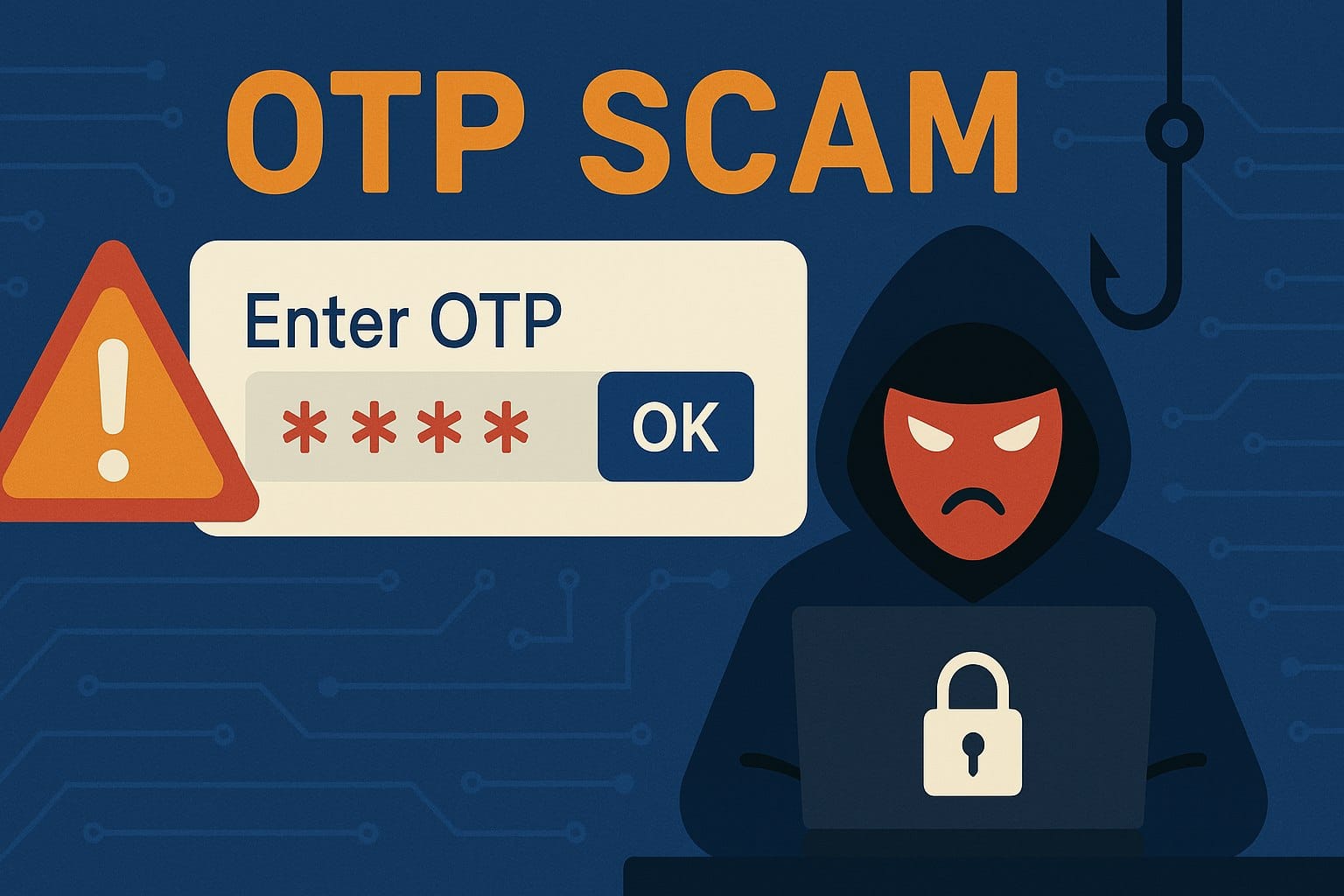
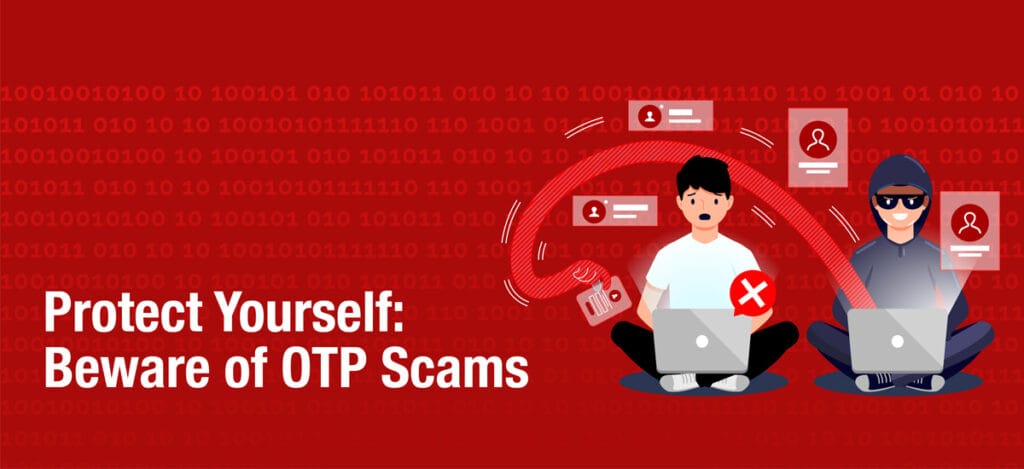
An OTP (One-Time Password or One-Time Pin) Scam is a type of fraud where a criminal tricks you into sharing the unique security code sent to your phone or email. Because banks and apps use OTPs as a “final lock” (Two-Factor Authentication) to verify your identity, obtaining this code gives the scammer full access to your bank account, social media, or digital wallets even if they already have your password.
Common Types of OTP Scams
Scammers are experts at psychological manipulation. They often use one of these three tactics:
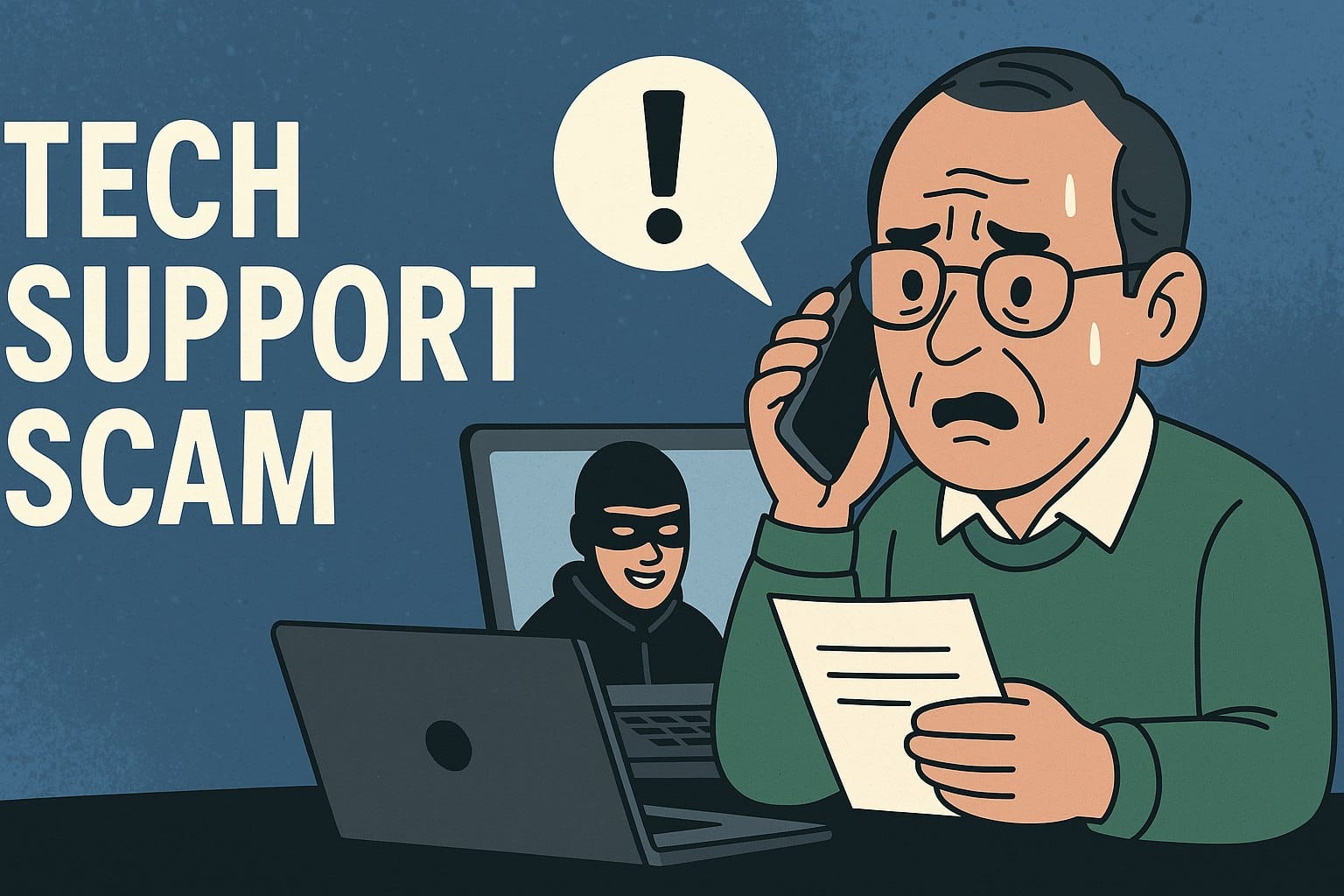
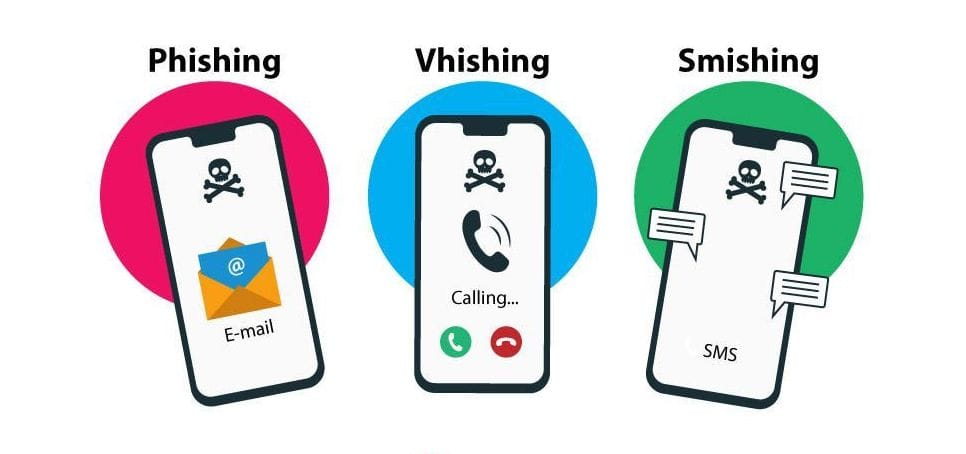
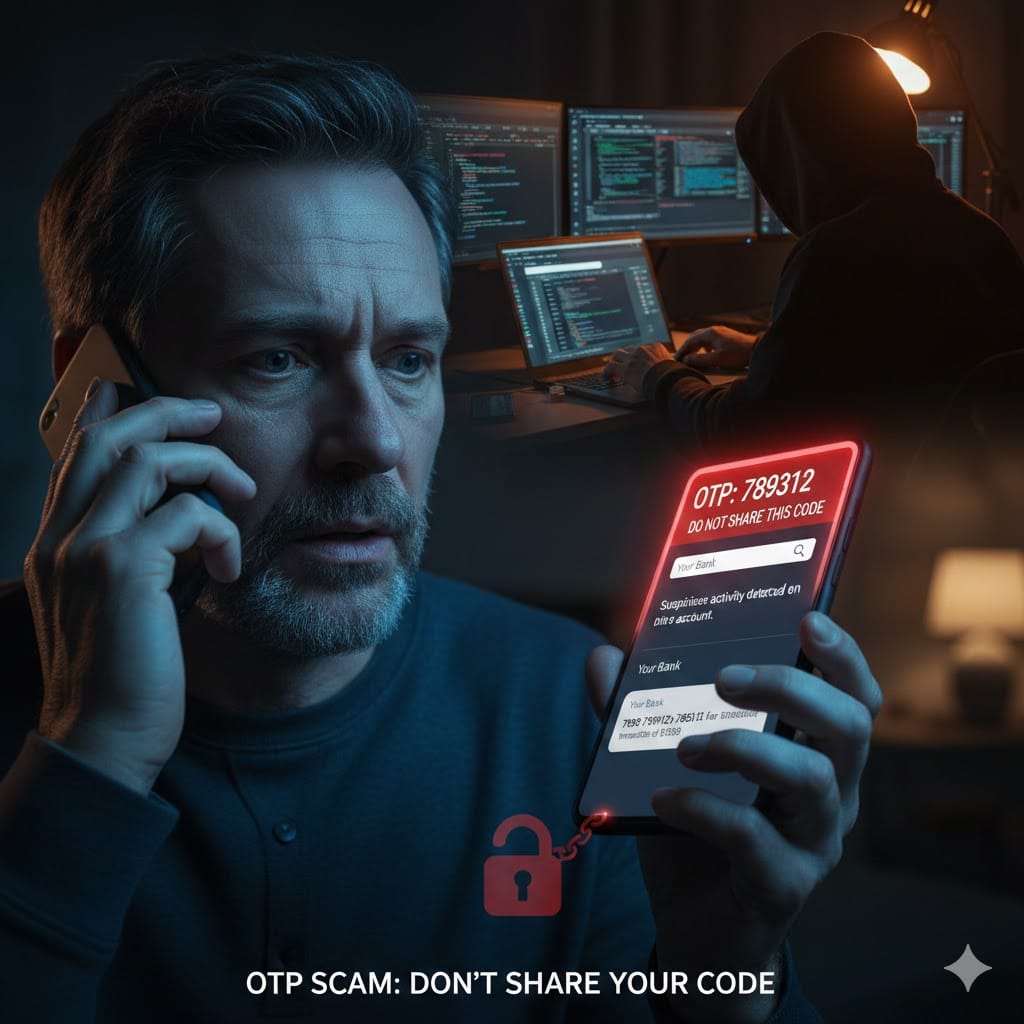
- The Bank Official Call (Vishing): You receive a call from someone pretending to be from your bank. They claim there is a “suspicious transaction” or your “account is about to be blocked“. To “fix” it, they ask you to read back the OTP you just received.
- The Accidental Sender: A stranger messages you saying they accidentally entered your number while trying to log into their own account. They politely ask you to send them the code you just received so they can get back in. Never do this; that code is for your account.
- The Prize/Refund Scam: You are told you’ve won a lottery or are owed a tax refund. They say they need the OTP to “verify” your identity before they can send you the money.
- QR Code Scams: A scammer sends a QR code claiming it’s to receive payment (common on marketplaces like Facebook or OLX). When you scan it and enter your OTP, money is actually deducted from your account.
How the Scam Works Technically?
- Credential Theft: The scammer already has your username or phone number (often from data breaches).
- Triggering the OTP: They go to the real website (like your bank) and click “Forgot Password” or “Initiate Transfer“.
- Interception: The website sends a real OTP to your phone.
- The Hook: The scammer calls or messages you immediately to get that code.
- The Theft: Once you give them the code, they enter it on the real site, change your password, and drain your funds.

Red Flags to Watch For
- High Urgency: They create panic (“Your account will be closed in 10 minutes!”) so you don’t think clearly.
- Unsolicited OTP: You receive a code while you aren’t even using your banking app.
- Asking for the Code: No legitimate company (Bank, Amazon, Google) will ever ask for your OTP over the phone.
- Grammar Errors: Texts with weird spacing, spelling mistakes, or unprofessional language.
How to Protect Yourself?
- The Golden Rule: Never, under any circumstances, share an OTP with another person.
- Read the SMS: Don’t just look at the numbers. Read the text accompanying it. It often says exactly what the code is for (e.g., “OTP for a purchase of $500 at Store X“).
- Use Authenticator Apps: Whenever possible, use apps like Google Authenticator or Microsoft Authenticator instead of SMS. These are much harder for scammers to intercept.
- Block & Report: If you get a suspicious call, hang up and call your bank’s official number found on the back of your card.
If you have shared an OTP recently and suspect fraud, you should contact your bank immediately to freeze your accounts.