
A Scam Call Center is an organized, business-like operation where groups of fraudsters often called “agents” work in a professional office setting to systematically trick people into giving away money or sensitive personal information.
Unlike a lone hacker, these centers operate exactly like legitimate telemarketing or customer service offices, complete with managers, HR departments, daily sales targets, and pre-written scripts designed to manipulate victims.
How They Operate?
Scam call centers rely on Social Engineering, which is the psychological manipulation of people into performing actions or divulging confidential information.
- The “Office” Setup: Many are located in countries where labor is cheap and law enforcement is less stringent. They use professional-grade VoIP (Voice over IP) technology to make thousands of calls per day.
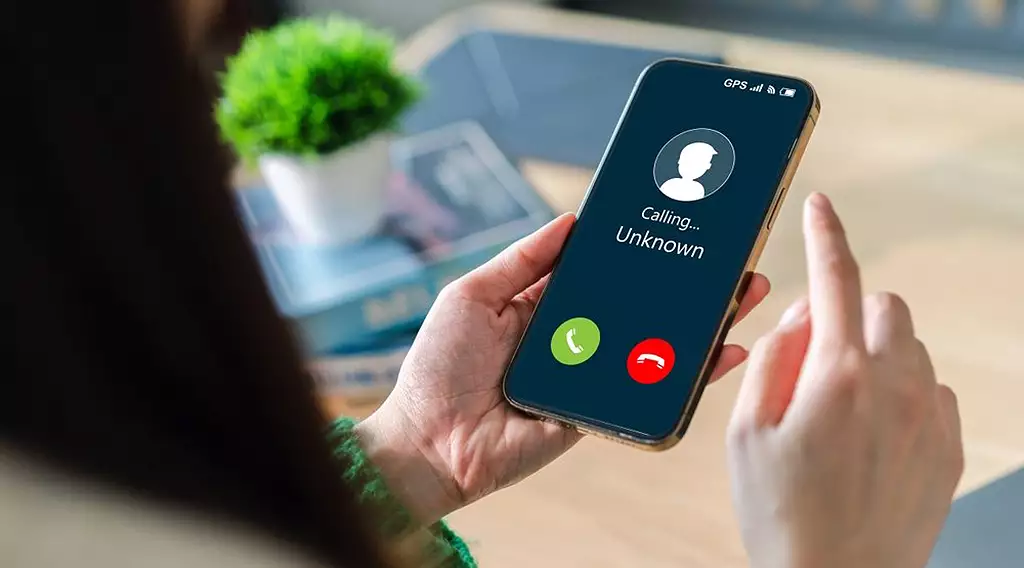
- Caller ID Spoofing: They use software to make their phone number appear on your screen as a local government agency, a well-known bank, or a trusted company like Microsoft or Amazon.
- The Script: Scammers use carefully crafted scripts that include “rebuttals” for any doubts you might have. They are trained to sound professional, helpful, or if needed intimidating.

Common Types of Scams
- Tech Support: They say, “We’ve detected a virus on your computer/Amazon account”. They then ask for remote access to your PC or a “repair fee”.
- Government Impersonation: They say, “You owe back taxes to the IRS/CRA” or “Your Social Security number is suspended”. Then they ask for an immediate payment via gift cards or wire transfers.
- Bank/Fraud Alert: They say, “There is a suspicious $1,000 charge on your account. We need to verify your ID”. Sometimes they say your debit/credit card has expired and we need to update it. For this they ask you to share login credentials or One-Time Passwords (OTPs).
- Refund Scam: They say, “You are owed a refund for a subscription, but we accidentally sent too much”. They then trick you into “returning” the extra money using your own funds.
Red Flags to Watch For
If you receive a call, watch for these specific signs that it’s coming from a scam center:
- Urgency & Fear: They claim you will be arrested, fined, or lose your account if you don’t act right now.
- Unusual Payment Methods: They ask for payment via gift cards (Apple, Google Play), cryptocurrency, or wire transfers. No legitimate business or government agency accepts these.
- Request for Remote Access: They ask you to download software (like AnyDesk or TeamViewer) to “fix” your computer.
- Background Noise: You might hear the muffled sound of dozens of other people talking in the background, similar to a busy office or “boiler room“.
How to Protect Yourself?
- Hang Up and Call Back: If a “bank” calls you, hang up. Look up the official number from your actual bank card and call them yourself to verify the claim.
- Never Share OTPs: No legitimate company will ever ask you for the 6-digit verification code sent to your phone.
- Use Call Blocking: Modern smartphones and apps like Truecaller or Hiya can help identify and block known scam center numbers.