
In simple terms, Cyber Security is the practice of protecting systems, networks, and programs from digital attacks. These attacks are usually aimed at accessing, changing, or destroying sensitive information, extorting money from users, or interrupting normal business processes. Think of it as the “digital immune system” for your devices and data.
The Three Pillars of Cyber Security
Most professionals follow a framework known as the CIA Triad. It ensures that data is handled securely across three main dimensions:
- Confidentiality: Ensuring that only authorized people can see certain information (e.g., using passwords or encryption).
- Integrity: Making sure that data hasn’t been tampered with or changed by unauthorized parties.
- Availability: Ensuring that systems and data are accessible to users when they need them (e.g., preventing a website from crashing).

Common Types of Cyber Threats
Cybercriminals use various methods to breach security. Some of the most common include:
- Phishing: Sending fraudulent emails that look like they come from a reputable source to steal data like credit card numbers or login info.
- Malware: Malicious software (viruses, worms, spyware) designed to damage or gain unauthorized access to a computer.
- Ransomware: A type of malware that locks you out of your own files and demands a “ransom” (payment) to get them back.
- Social Engineering: A tactic that relies on human interaction to trick people into breaking security procedures (e.g., a phone call pretending to be IT support).
Different Layers of Protection
Cyber security isn’t just one thing; it happens at several levels to create a “defense in depth”:
- Network Security: It protects the “pipes” connecting devices. e.g. Firewalls, VPNs.
- Application Security: It protects the software you use. e.g. Regular updates, secure coding.
- Endpoint Security: It protects the physical devices. e.g. Antivirus on laptops and phones.
- Cloud Security: It protects data stored on the internet. e.g. Encryption, access controls.
- User Education: It protects the people using the systems. e.g. Training to spot suspicious links.
How You Can Protect Yourself?
You don’t need to be a tech expert to improve your security. Following these “cyber hygiene” steps can block the vast majority of common attacks:
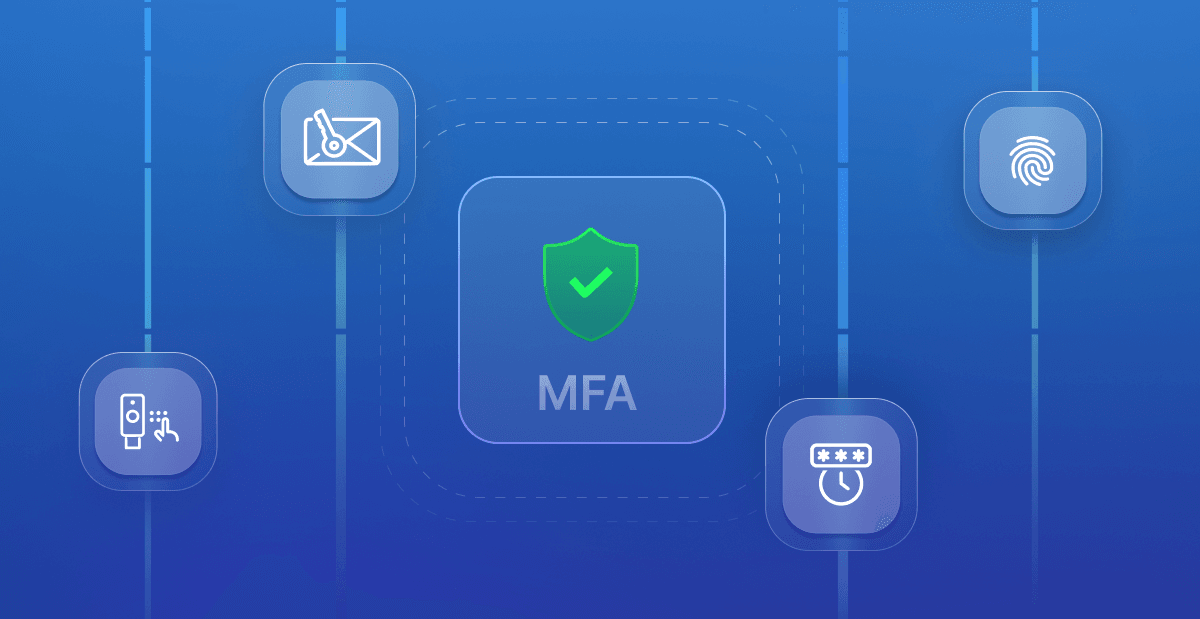
- Use Multi-Factor Authentication (MFA): Even if a hacker steals your password, they can’t get in without the second code sent to your phone.
- Keep Software Updated: Updates often include “patches” for security holes that hackers are currently using.
- Use a Password Manager: It helps you create and store unique, complex passwords for every site so you never reuse them.
- Think Before You Click: If an email or text feels urgent or “too good to be true“, it’s likely a phishing attempt.