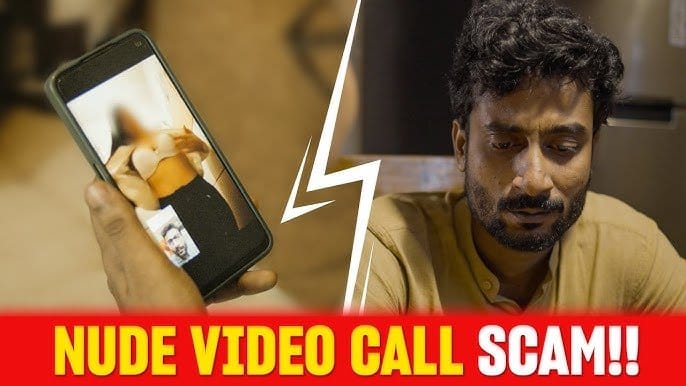
A Nude Video Call Scam (also known as a “Webcam Blackmail” or a variation of “Sextortion“) is a specific type of entrapment where a scammer tricks a victim into a compromising video call, records it without their knowledge, and then uses the footage for extortion. While similar to general sextortion, this scam is more “active” and often involves real-time manipulation.
How the Nude Video Call Scam Unfolds?
This scam usually follows a very specific “script” designed to catch you off guard:
- The Random Request: You receive a video call on WhatsApp, Instagram, or a dating app from an unknown but attractive profile. Sometimes, they message you first to “verify” if you are real.
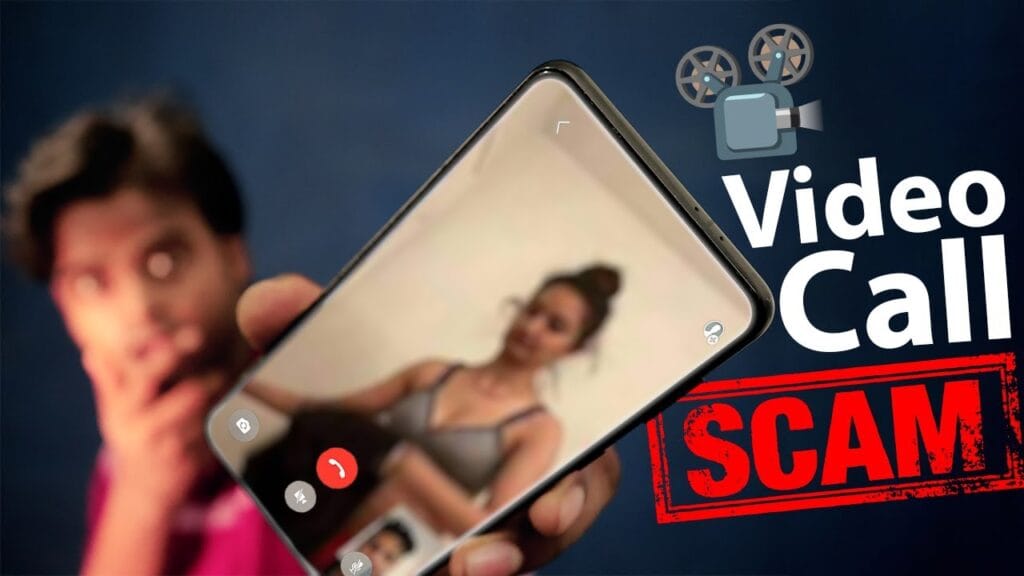
- The “Nude” Bait: When you answer, you see a person on the screen who is already nude or engaging in sexual acts. This is often pre-recorded footage or an AI deepfake being played into the call to make it look live.
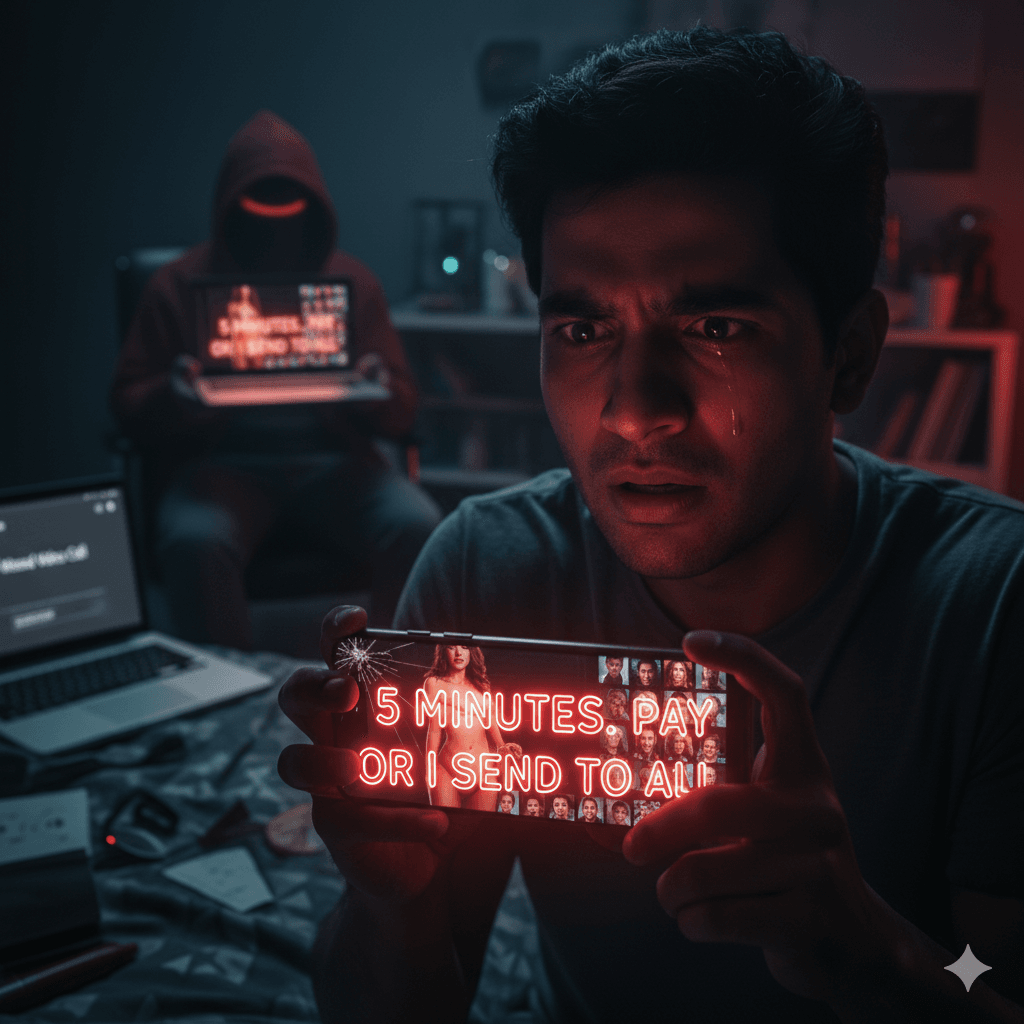
- The Trap: As soon as your face appears on the screen alongside the explicit content, the scammer screen-records the call. Even if you didn’t do anything sexual, they now have a video that makes it look like you were participating in a “sex chat“.
- The Blackmail: Minutes later, they send you the recording along with a screenshot of your social media friend list. They demand money (often $300–$1,000) to delete the video, threatening to send it to your family, boss, or spouse if you don’t pay immediately.
Why People Fall for It?
Scammers are masters of psychological pressure:
- Panic: They use a countdown (e.g. “You have 5 minutes“) to prevent you from thinking logically.
- Shame: Victims often feel so embarrassed that they would rather pay than tell anyone, even if they didn’t technically “do” anything wrong.
- Fake Authority: In some versions, a second person calls you pretending to be a Police Officer or a “Cyber Crime Official,” claiming they have a complaint against you and you need to pay a “fine” to settle it.
Immediate Protection Steps
- Do Not Pay: This is the most important rule. If you pay once, they will label you as a “payer” and demand more money. They rarely delete the video after the first payment.
- Cut Off All Contact: Block the scammer on everything. Do not respond to their threats. Scammers usually move on to a “easier” target if they can’t get a reaction from you.
- Lock Down Social Media: Set your Facebook, Instagram, and LinkedIn to “Private” or deactivate them temporarily. This prevents the scammer from seeing your followers or tagging you.
- Save Evidence: Take screenshots of the chat, the threats, and the scammer’s profile before you block them. You will need this for reporting.
- Report the Incident:
- In the US: Report to the FBI at ic3.gov.
- In India: Call 1930 or report at cybercrime.gov.in.
- Globally: Use StopNCII.org to proactively block the sharing of your images on major platforms like Facebook, Instagram, and TikTok.

How to Prevent This in the Future?
- Never answer video calls from unknown numbers.
- Cover your webcam with a physical slider when not in use.
- Be skeptical of “over-intimacy“: If a stranger wants to “get naked” or move to a private app within minutes of meeting, it is almost certainly a scam.