What is Malware-as-a-Service (MaaS)?
Malware-as-a-Service (MaaS) is a cybercrime business model where professional developers lease or sell access to pre-built, ready-to-use malicious software and…

Keeping You Protected
Malware-as-a-Service (MaaS) is a cybercrime business model where professional developers lease or sell access to pre-built, ready-to-use malicious software and…
Ransomware-as-a-Service (RaaS) is a criminal business model that mirrors the legitimate Software-as-a-Service (SaaS) framework. In this ecosystem, professional malware developers…
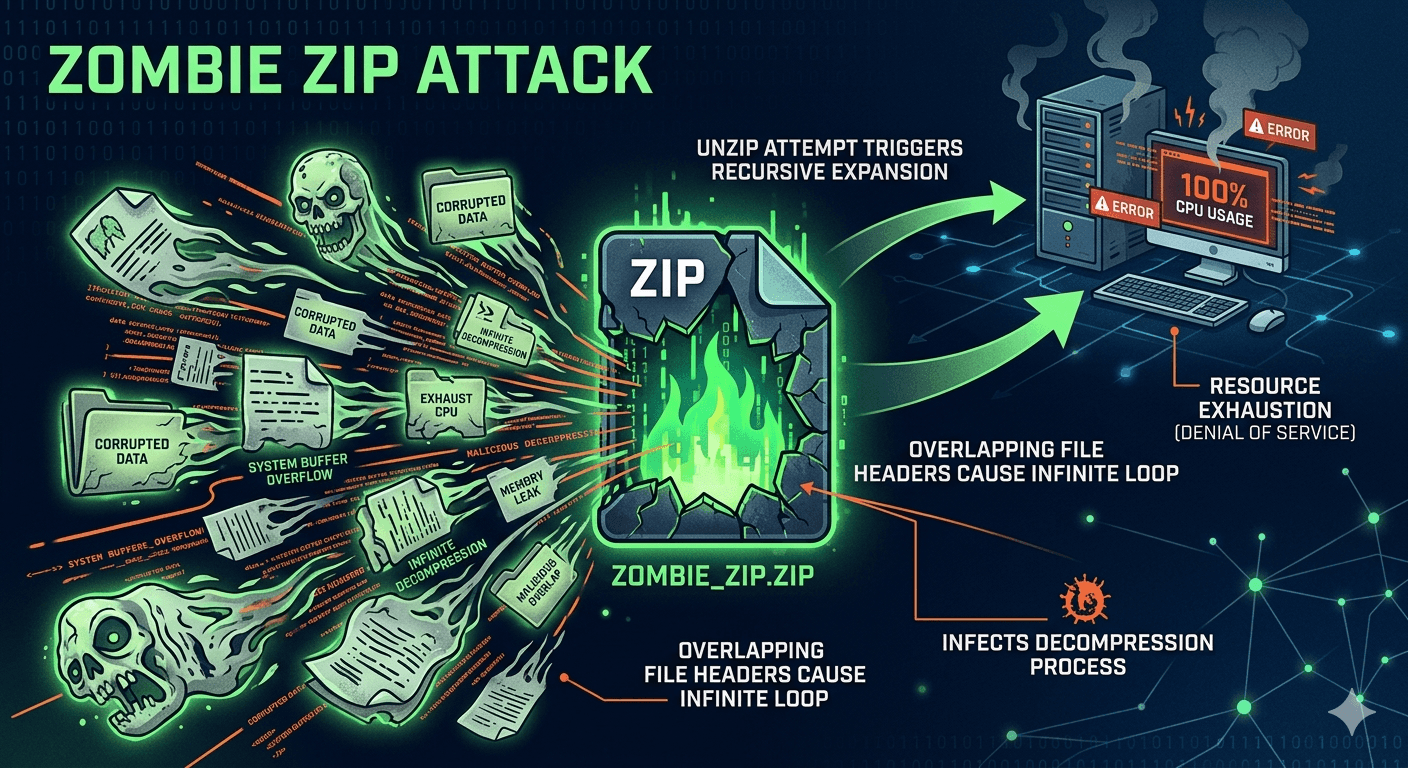
A Zombie Zip Attack is a sophisticated variation of a Zip Bomb (or Decompression Bomb) designed to crash a system…
A Zero-Day Attack is a cyberattack that exploits a software or hardware flaw before the developers are even aware it…
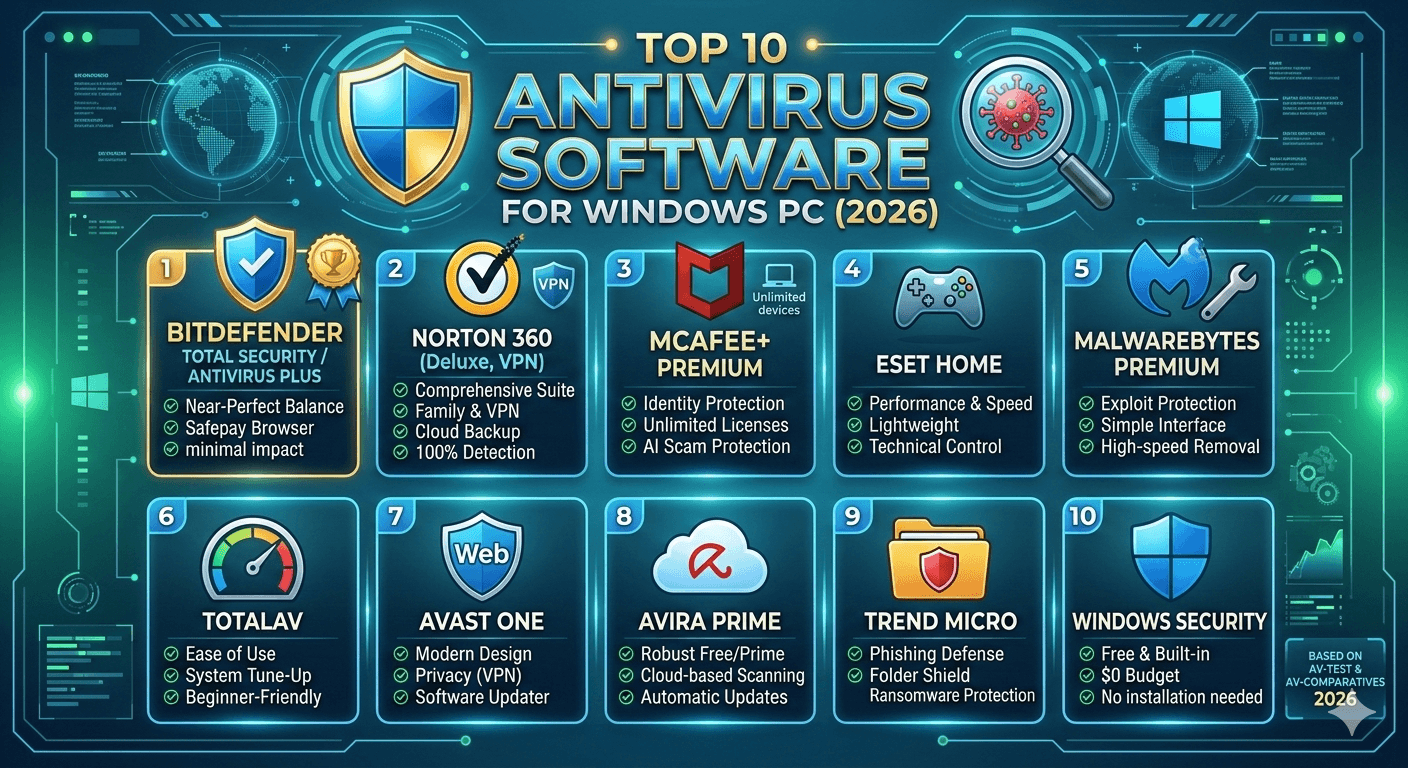
Based on recent independent lab tests (AV-Test and AV-Comparatives) and expert reviews from PCMag, TechRadar, and CNET, here are the…
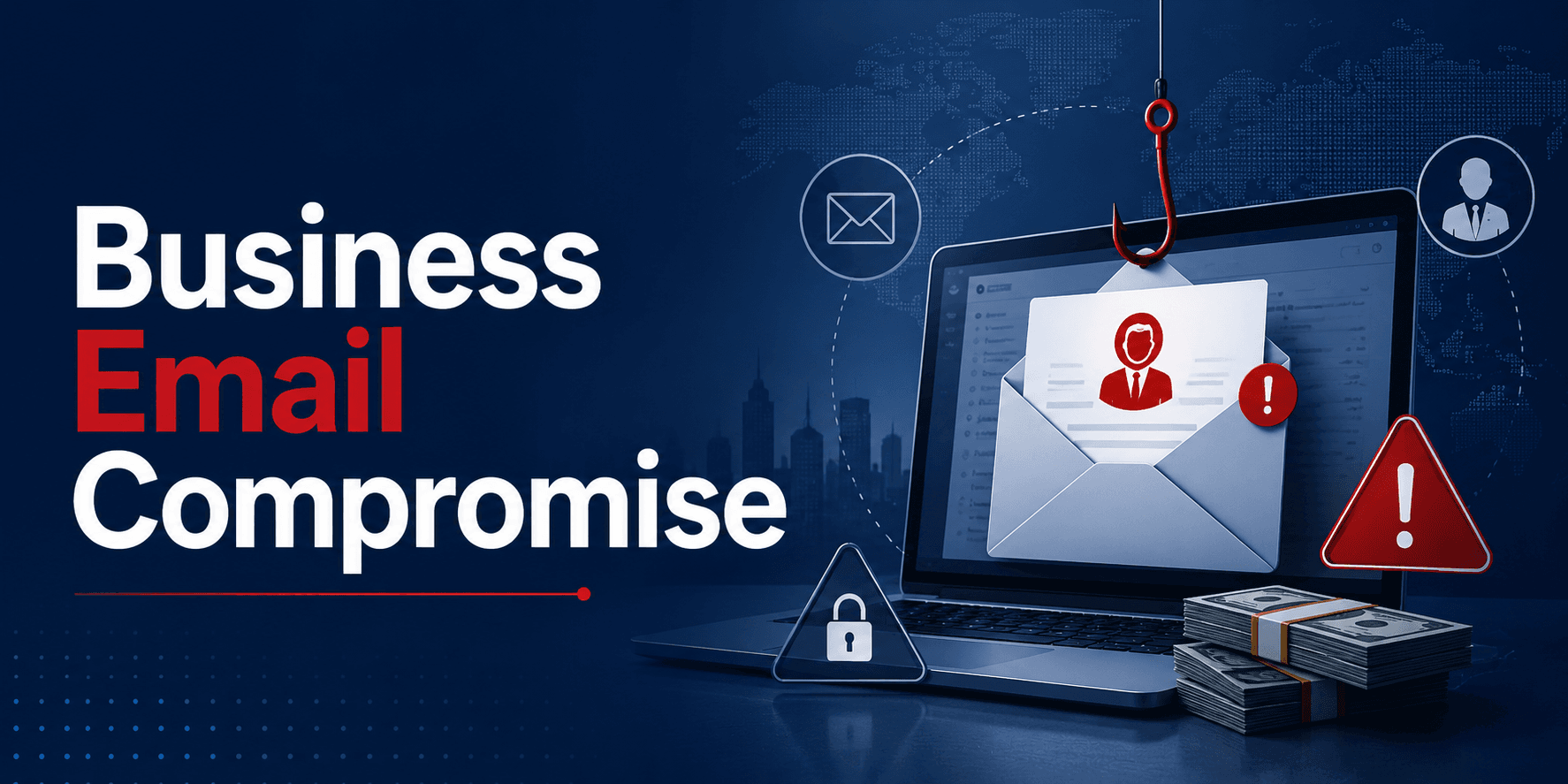
Business Email Compromise or BEC scam is a sophisticated form of cyber-enabled fraud where an attacker gains access to a…
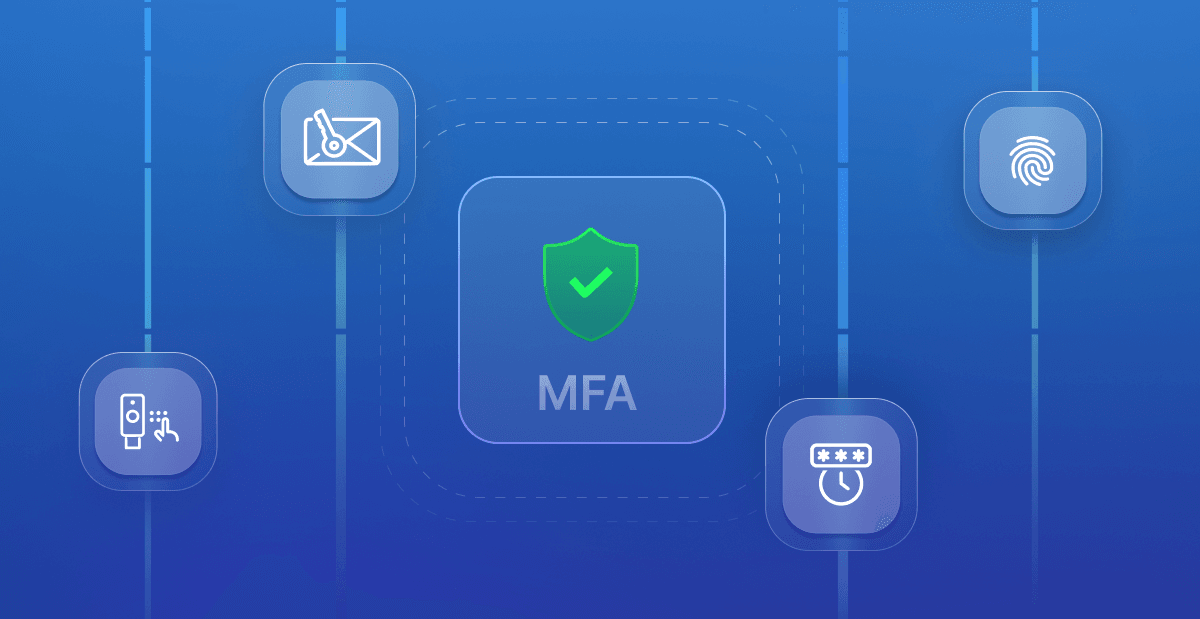
Think of Multi-Factor Authentication (MFA) as a high-security lock that requires more than just a single key to open. It’s…
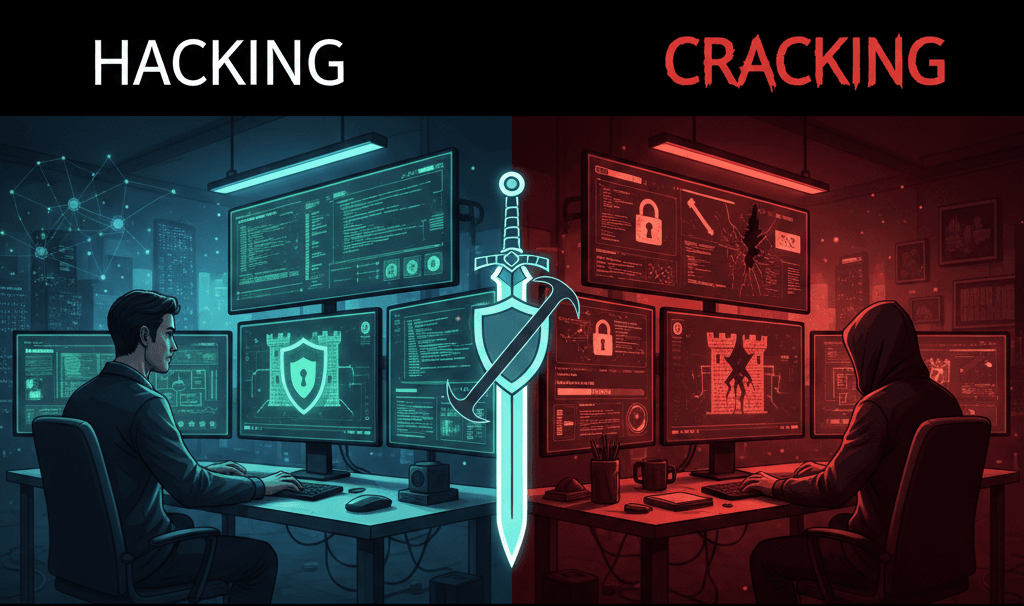
In the world of cybersecurity, “hacking” and “cracking” are often used interchangeably by the general public, but they carry very…
SQL Injection (SQLi) is a critical security vulnerability that occurs when an attacker “injects” malicious SQL code into a web…
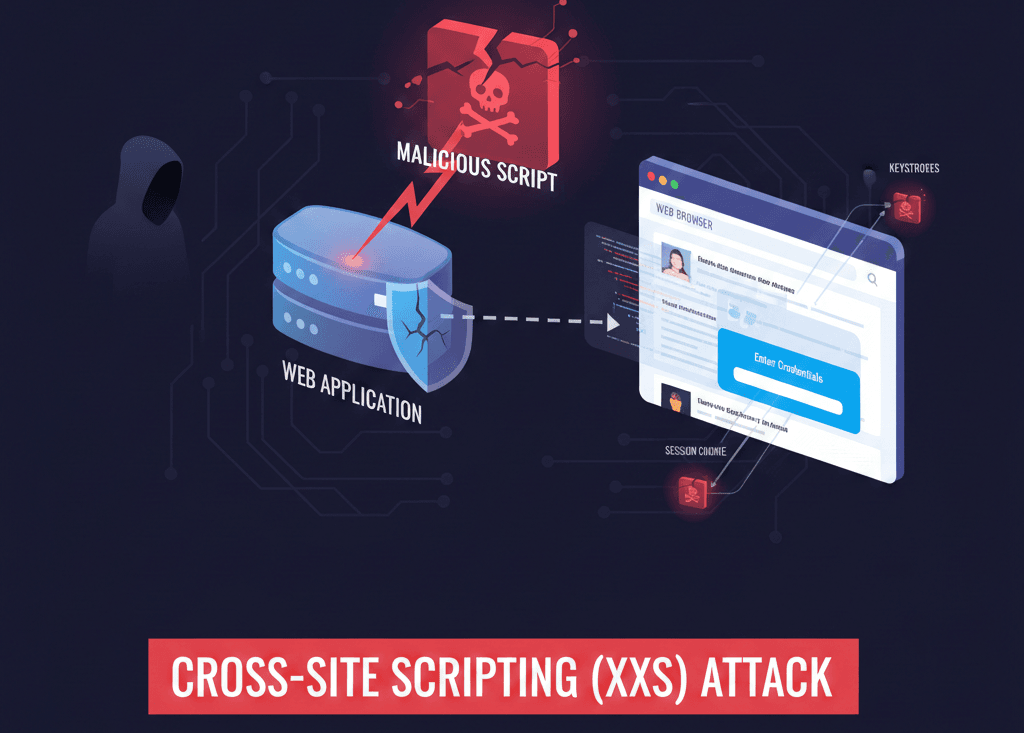
Cross-Site Scripting (XSS) is a type of security vulnerability typically found in web applications. It allows an attacker to inject…
![[ALERT] What is a Zero-Day Attack?](https://scamshooter.com/wp-content/uploads/2026/03/Google-Chrome-Zero-Day-Attack.png)